
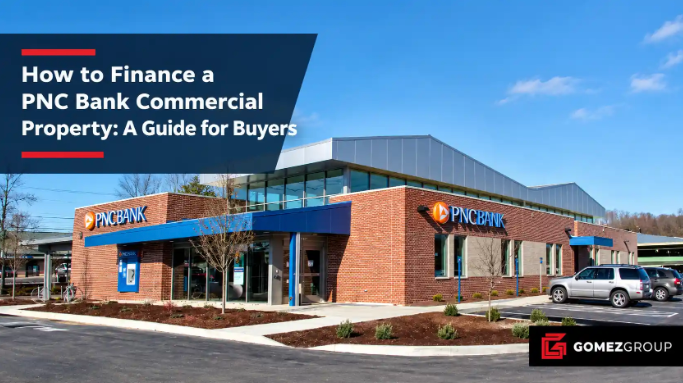
Buying a commercial property leased to a major financial institution can be a significant investment, but the financing needs careful planning. If you are considering a PNC Bank investment property, start by reviewing the lease, property income, purchase price, and financing requirements before moving forward.
The key is to understand how the property will support the loan and what lenders will expect from you as a buyer. With the right preparation, you can compare suitable loan structures and approach the purchase with a clearer financial plan.
Key Takeaways
- Review the complete lease before committing to the purchase.
- Analyze current rental income and operating expenses.
- Determine how much cash you can contribute.
- Compare loan rates and complete financing terms.
- Understand lender documentation requirements.
- Inspect the property’s major systems and physical condition.
- Consider future lease and income changes.
- Keep cash reserves for unexpected costs.
- Build your financing plan before making an offer.
Start by Understanding the Property
Before applying for financing, review the property’s financial, legal, and lease details. When considering how to finance PNC Bank commercial property, check:
- Purchase price and existing debt
- Lease terms and remaining term
- Rental income and operating expenses
- Property taxes, insurance, and maintenance
- Renewal options and termination clauses
- Recent improvements or major changes
The lease is especially important because it shows how the property generates income and outlines the responsibilities of the tenant and owner. Review rent increases, renewal rights, and other terms that could affect future income.
Work Out Your Budget Before Choosing a Loan
A commercial property’s asking price is only one part of the total cost. You also need to consider your down payment, closing expenses, professional fees, property improvements, and cash reserves.
Start by determining how much money you can comfortably contribute toward the purchase. Then estimate how much financing you will need.
Your initial budget should account for:
- Down payment
- Loan and lender fees
- Appraisal costs
- Inspection expenses
- Legal fees
- Insurance
- Property taxes
- Immediate repairs
- Ongoing cash reserves
Keeping some funds available after closing can provide a cushion if the property needs unexpected repairs or operating costs increase.
It is also useful to avoid basing your decision on the maximum loan amount you may qualify for. Your investment should make sense based on expected property income and your broader financial situation.
Compare Available Financing Structures
Commercial buyers can choose from different financing structures based on the property, loan amount, income, and intended use. Common financing options for commercial real estate include commercial mortgages, bank term loans, bridge loans, and specialized lending programs.
Eligible owner-occupied properties may also qualify for SBA-backed financing, depending on program requirements.
Compare the full loan terms, including:
- Interest rate and loan term
- Down payment and closing costs
- Amortization and interest-only periods
- Prepayment conditions
- Personal guarantees and recourse
- Balloon payments
A lower interest rate does not always mean better overall terms, so review the complete loan structure before committing.
Review the Lease and Tenant Details
The lease can play an important role in how a lender evaluates a commercial property. It provides information about current rent, lease duration, renewal provisions, and the responsibilities of each party.
Do not assume that a well-known tenant automatically removes every investment risk. The actual lease terms still matter.
Pay close attention to:
- Remaining lease period
- Annual rent
- Scheduled rent increases
- Renewal options
- Tenant improvement obligations
- Repairs and maintenance
- Insurance responsibilities
- Property tax responsibilities
- Assignment provisions
- Early termination rights
You should also determine whether there are any lease amendments or side agreements that could change the original terms.
If the lease is close to expiration, consider how a lender may view the property’s future income after the current term ends.
Analyze the Property’s Cash Flow
A commercial property should be evaluated based on the income it generates and the expenses required to operate it.
Start with the property’s gross rental income. Then review operating expenses to determine the property’s net operating income.
This analysis can help you understand how much cash flow may be available to cover debt payments and other costs.
Do not rely solely on projected numbers. Whenever possible, review actual operating statements and supporting documentation.
Understand What Lenders Look For
Lenders typically evaluate both the borrower and the property before approving commercial financing.
Your personal or business financial position may be reviewed along with your credit history, available assets, existing debts, and experience with commercial real estate.
The property itself may also be assessed based on its value, income, condition, location, and lease.
You may need to provide:
- Personal financial statements
- Business financial statements
- Tax returns
- Bank statements
- Property operating statements
- Lease agreements
- Purchase agreement
- Property appraisal
- Insurance details
- Business formation documents
Having these documents ready can make the application process more organized and reduce unnecessary delays.
Requirements can vary between lenders and loan programs, so ask for a complete documentation checklist before submitting your application.
Clarify the Investment Property Structure
If you are new to commercial real estate, you may wonder what a PNC Bank investment property is. Generally, it is a property purchased to generate rental income, appreciation, or both.
A property leased to PNC Bank may be treated as an income-producing investment if you do not operate your own business there. This can affect the financing options available and how lenders assess the property.
Owner-occupied properties may qualify for different loan programs, while investment properties are often evaluated based on rental income, lease terms, property value, and overall investment structure.
Complete a Property Inspection and Appraisal
Before closing, conduct appropriate due diligence on the property. A professional appraisal can help establish an opinion of market value, while an inspection can uncover physical problems that may require additional investment.
Check the major building systems and physical components, including:
- Roof
- HVAC
- Electrical systems
- Plumbing
- Parking areas
- Structural components
- Exterior surfaces
- Accessibility features
- Environmental conditions
A property can have a strong tenant and still require significant capital improvements.
Knowing about these costs before closing gives you an opportunity to adjust your budget, negotiate where appropriate, or reconsider the financing structure.
Calculate Your Long-Term Investment Costs
Financing does not end when the loan closes. You should understand how the property may perform throughout the expected holding period.
Estimate your regular debt payments along with property taxes, insurance, maintenance, management, and other ownership expenses.
Also consider what happens when the current lease approaches expiration.
A long-term investment plan should address:
- Expected rental income
- Future rent increases
- Debt repayment
- Maintenance costs
- Capital improvements
- Vacancy or lease-renewal risks
- Potential refinancing needs
- Expected holding period
This broader view can help you avoid making a financing decision based only on the initial purchase.
Work With a Commercial Real Estate Professional
Commercial property transactions involve more than securing a loan. Buyers may need to coordinate financing, lease review, due diligence, valuation, negotiations, and closing requirements.
Working with experienced commercial real estate professionals can help you understand each part of the transaction and identify questions that need to be addressed before closing.
Gomez Group can help buyers evaluate commercial real estate opportunities, understand property details, and approach the purchasing process with greater clarity.
Build a Clear Financing Plan Before You Buy
Financing a commercial property requires careful review of the lease, property income, physical condition, loan structure, and your financial position. Taking these steps before closing can help you understand the costs and obligations involved.
If you are considering a PNC Bank investment property, Gomez Group can help you evaluate the commercial real estate opportunity and take a more organized approach to the buying and financing process.
Frequently Asked Questions
1. Can I get financing for a commercial property leased to PNC Bank?
Potentially, yes. Financing depends on factors such as the property, lease, income, purchase price, borrower finances, and lender requirements. A lender will evaluate the complete transaction before determining whether financing is available.
2. How much should I budget for a commercial property purchase?
Your budget should include more than the purchase price. Plan for your equity contribution, loan fees, appraisal, inspection, legal expenses, insurance, taxes, repairs, and post-closing reserves.
3. Why does the existing lease matter when applying for financing?
The lease provides information about rental income, lease duration, renewal options, and tenant and owner responsibilities. These details can help a lender assess the property’s expected cash flow.
4. What documents should I prepare for a commercial property loan?
Depending on the lender and transaction, you may need financial statements, tax returns, bank statements, property operating records, lease documents, purchase agreements, appraisal information, and insurance documents.
5. Should I compare multiple commercial financing options?
Comparing different financing structures can help you understand differences in rates, fees, repayment terms, down payments, guarantees, and other conditions. Review the complete terms rather than comparing interest rates alone.