


Economic Trends Impacting Commercial Real Estate
Economic fluctuations influence nearly every aspect of the commercial property market, making it crucial for investors and developers to stay attuned to shifting financial conditions. Some of the key economic factors that impact real estate include inflation rates, interest rate policies, employment levels, and overall consumer spending. Each of these elements plays a role in shaping market demand, property valuation, and investment strategies.

Inflation and Commercial Property Value
Inflation directly affects the cost of materials, labor, and overall property expenses. When inflation rises, construction costs increase, leading to higher property values. However, inflation can also reduce purchasing power, making it more expensive for businesses and investors to secure financing or acquire new properties. On the flip side, commercial landlords often adjust rental rates to keep pace with inflation, ensuring their assets maintain profitability over time.
Interest Rates and Investment Decisions
Interest rate policies set by central banks dictate borrowing costs for commercial real estate loans. When interest rates are low, investors can secure affordable financing, leading to increased real estate activity. However, rising interest rates can slow investment, as borrowing becomes more expensive, reducing profit margins and limiting purchasing power. Savvy investors closely monitor these rate changes to determine optimal entry points and refinancing opportunities.
Economic Booms vs. Recessions
A thriving economy fuels consumer spending, business expansion, and job growth—all of which contribute to increased demand for commercial spaces such as offices, retail centers, and industrial facilities.
High demand can drive up property values and rental rates, making commercial real estate a lucrative investment.
Conversely, economic downturns or recessions often prompt businesses to downsize or halt expansion plans, leading to higher vacancy rates and decreased property values. Investors facing these conditions must adapt by exploring alternative financing strategies, renegotiating lease agreements, or diversifying their portfolios to mitigate risk.
Strategic Approaches Amid Market Uncertainty
Commercial real estate resilience depends on well-planned investment strategies and market adaptability. Those who anticipate economic shifts and implement risk mitigation measures can capitalize on emerging opportunities. Diversification—spreading investments across different property types and geographic locations—protects investors from localized downturns. Additionally, maintaining strong financial reserves and securing long-term lease agreements can stabilize income streams regardless of broader economic conditions.
Market Analysis:
Understanding Property Value Fluctuations
One of the most significant effects of economic trends is the fluctuation in property values. Factors such as employment rates, consumer spending, and business expansion affect the demand for commercial spaces. Investors who closely monitor these indicators can anticipate market shifts and adjust their portfolios accordingly.
Factors Affecting Property Value Fluctuations
- Employment Rates – A strong job market increases demand for office spaces and retail properties, while high unemployment rates can lead to higher vacancies and reduced rental income.
- Consumer Spending – Increased spending encourages business expansion, boosting demand for commercial spaces. Economic downturns, however, can lead to reduced leasing activity and lower property values.
- Business Expansion – Corporate growth often drives demand for office, industrial, and retail spaces. Investors should track industry trends to identify emerging commercial real estate hotspots.
- Interest Rates – Lower interest rates make financing more accessible, increasing property purchases and values. Rising rates can slow investment activity and decrease affordability.
- Inflation – Inflation affects construction costs, rental rates, and overall property valuations. Investors must balance potential gains with increased expenses in an inflationary environment.
- Supply and Demand – An oversupply of commercial properties can reduce values, while limited availability in high-demand areas can lead to appreciation and increased investment potential.
How Investors Can Respond to Market Fluctuations
- Portfolio Diversification – Investing in a mix of property types and locations reduces risk during economic downturns.
- Strategic Acquisitions – Identifying undervalued properties during market dips can lead to long-term gains as conditions improve.
- Leasing Strategies – Negotiating flexible lease terms and securing long-term agreements stabilizes income streams despite economic uncertainties.
- Risk Assessment – Regularly analyzing economic indicators ensures investors can anticipate market trends and pivot strategies accordingly.
- Financial Planning – Maintaining reserves for unexpected vacancies or market slowdowns strengthens long-term investment resilience.
Real Estate Resilience in Uncertain Times
Commercial real estate has long demonstrated resilience, even in times of economic uncertainty. Investors who diversify their portfolios, implement strategic financial planning, and maintain a long-term outlook often find ways to mitigate risks and capitalize on emerging opportunities. Here are a few real-world examples that illustrate how commercial real estate adapts to economic fluctuations:
Retail Sector Transformation
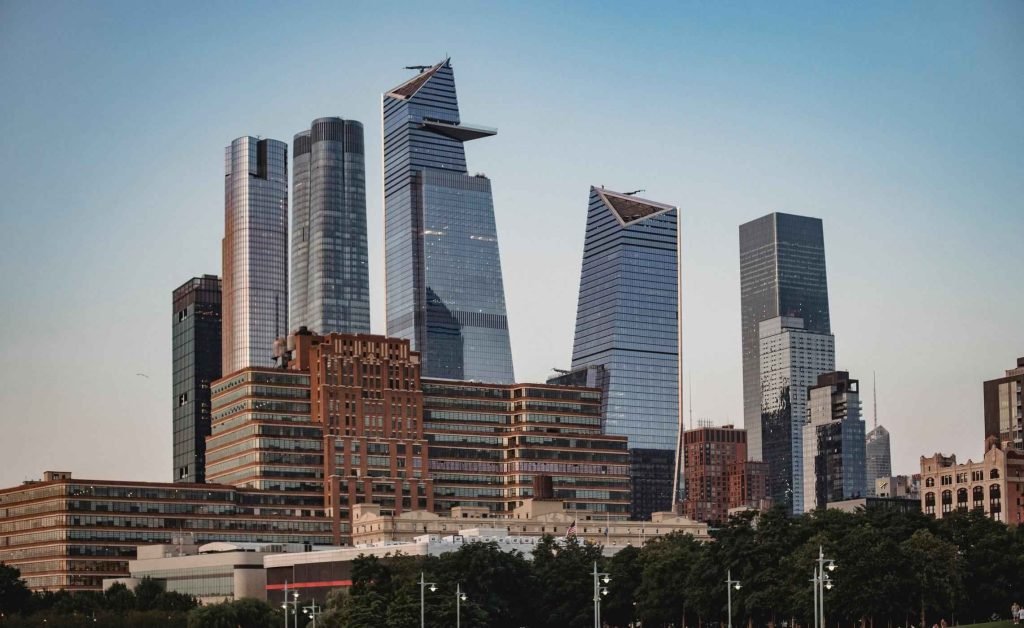
During the 2008 financial crisis, many brick-and-mortar retailers struggled as consumer spending plummeted. Commercial investors who pivoted to mixed-use developments combining retail, office, and residential spaces saw long-term gains. The Hudson Yards development in New York City, for instance, emerged as a major commercial hub by integrating office towers, retail spaces, and residential units, making it less vulnerable to single-sector downturns.
Adaptive Reuse in Office Spaces
The COVID-19 pandemic reshaped office space demand as remote work surged. Many investors adapted by repurposing office buildings into co-working spaces or life sciences hubs. The conversion of outdated office buildings in San Francisco into biotech research facilities is a prime example of resilience—investors capitalized on the booming demand for lab spaces instead of letting vacancies rise.
Industrial Real Estate’s Boom
Despite economic downturns, industrial real estate has remained strong due to the rapid expansion of e-commerce. Companies like Amazon and Walmart aggressively acquired warehouses and distribution centers, fueling demand for industrial real estate. Investors who saw this trend early benefited from long-term leases with major logistics firms, ensuring steady cash flow even amid broader economic volatility.
Hospitality Market Adjustments
The hospitality sector was hit hard by the pandemic, but savvy investors found ways to repurpose properties. Some hotel chains converted their struggling properties into extended-stay residences, capitalizing on demand for remote work-friendly accommodations. In cities like Miami and Los Angeles, short-term rental markets surged, giving hotel owners a new revenue stream outside of traditional tourism cycles.
Real Estate Investment Trusts (REITs)
REITs often demonstrate commercial real estate resilience by balancing investments across different property types. For example, Simon Property Group, a leading REIT in retail real estate, weathered multiple economic downturns by shifting focus to premium outlet malls, mixed-use developments, and e-commerce-integrated retail experiences.
Strategic Planning for Long-Term Success
Successful commercial real estate investors consistently monitor economic indicators, plan for downturns, and seize emerging opportunities. Gomez Group helps clients analyze market conditions, diversify their investments, and secure optimal financing to navigate shifts in the commercial property sector.
People Also Ask
How do economic trends impact commercial real estate investments?
Economic trends influence commercial real estate by affecting property values, rental demand, and financing options. Factors like interest rates, inflation, employment levels, and consumer spending dictate investment opportunities and market resilience. Savvy investors analyze these indicators to adapt their strategies and maximize returns in fluctuating conditions.
Why is diversification important in commercial real estate investing?
Diversification minimizes risk by spreading investments across different property types and locations. This strategy ensures stability during economic downturns and protects investors from localized market volatility. A well-balanced portfolio, including office, retail, industrial, and mixed-use properties, enhances long-term financial security.
How can investors navigate market uncertainty in commercial real estate?
Investors can navigate market uncertainty by conducting thorough market analysis, securing flexible financing, and focusing on high-demand property sectors. Strategic planning, long-term lease agreements, and maintaining cash reserves help mitigate risks.
Partnering with Gomez Group for Success

As economic trends continue to reshape the commercial property market, a strategic and well-informed approach is crucial for success. We provide meticulous market analysis, targeted strategies, and expert negotiation techniques to ensure optimal outcomes for all stakeholders. Whether working with single-tenant properties or expansive multi-asset portfolios, our proven track record demonstrates our ability to navigate complexities and deliver exceptional results in an evolving marketplace.
Understanding impacts of economic trends on commercial real estate is crucial for making informed decisions. Whether you’re expanding your portfolio or entering the market for the first time, Gomez Group is here to guide you through market fluctuations and help you achieve sustainable investment success.