
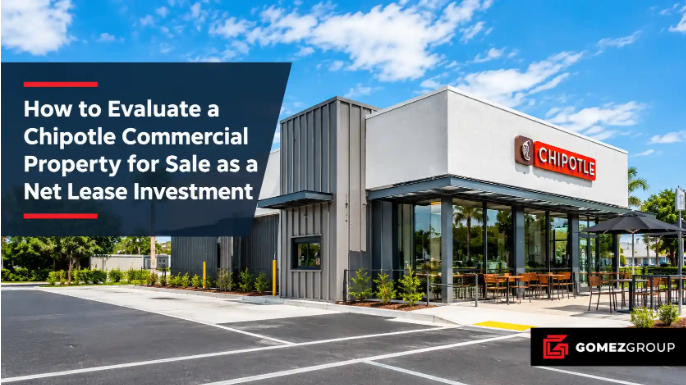
A familiar brand does not automatically make a property a strong investment. When evaluating a Chipotle location, the lease, tenant strength, property condition, and surrounding market all matter.
If you are considering a commercial property for lease, look beyond the brand name. A careful review of the lease terms, location, income potential, and long-term risks can help you decide whether the property fits your investment goals.
Key Takeaways
- Review the lease terms, tenant responsibilities, renewals, and rent adjustments.
- Check the property’s income, expenses, and overall investment potential.
- Understand what the NNN lease covers and which costs remain your responsibility.
- Inspect the building, zoning, parking, access, and major property systems.
- Evaluate the location, surrounding demand, and future property use.
- Complete financial, legal, lease, and property due diligence before buying.
Start by Reviewing the Lease
The lease shapes your net lease investment. Before assessing the property, understand the tenant’s responsibilities, owner obligations, lease term, renewals, rent increases, and termination rights.
When considering how to evaluate a Chipotle commercial property, review the lease structure, guarantees, assignments, and maintenance responsibilities. If it is part of a retail plaza for sale, also check shared costs, parking, access, and common-area obligations.
Focus on:
- Rent and increases
- Renewal options
- Taxes and insurance
- Repairs and maintenance
- Assignment rights
- Default and termination terms
Always review the complete lease, not just the marketing summary. Its details can reveal important costs and risks.
Look Beyond the Brand Name
A well-known restaurant tenant can make a property attractive, but the individual location still matters.
If financial and operating information is available, review the tenant’s history at the property. Payment history, local demand, and the tenant’s plans for the location can provide useful context.
The strength of the brand should support your analysis, not replace it.
Evaluate the Property’s Income
Income is central to a net lease investment. Begin by understanding the rent being generated and identifying which expenses remain the owner’s responsibility.
Then consider how the property’s income compares with its purchase terms and similar commercial investments.
When investors ask what a good cap rate for commercial property, there is no universal answer. The appropriate cap rate depends on factors such as tenant quality, lease security, location, property condition, market conditions, and perceived risk.
What should you compare?
| Factor | What to Review |
| Rental income | Current rent and future adjustments |
| Lease | Remaining term and renewal provisions |
| Expenses | Costs retained by the owner |
| Location | Traffic, visibility, and accessibility |
| Tenant | Stability and property-specific performance |
| Property | Physical condition and maintenance needs |
A higher cap rate can come with additional risk, while a lower cap rate may reflect stronger perceived stability. Evaluate the reasons behind the numbers rather than focusing on the rate alone.
Understand the NNN Lease Structure
A net lease can shift certain property expenses to the tenant. Under an NNN structure, the tenant may be responsible for property taxes, insurance, and maintenance, depending on the agreement.
Investors looking at NNN lease properties for sale should carefully review the actual lease instead of assuming every NNN arrangement works the same way.
Check who handles:
- Property taxes
- Insurance
- Routine maintenance
- Landscaping
- Parking areas
- Roof repairs
- Structural work
- HVAC systems
- Major replacements
This distinction matters because expenses that remain with the owner can affect the property’s actual income and future ownership costs.
Review the Remaining Lease Term
The lease timeline can influence both income security and future investment risk.
Review these details
- Lease expiration: Understand when the current agreement ends.
- Renewal options: Check whether the tenant has options to continue operating and under what conditions.
- Rent adjustments: Look for scheduled increases and understand how they affect future income.
- Termination rights: Review whether the tenant can end the agreement early and under what circumstances.
- Notice requirements: Understand how and when renewal or termination notices must be provided.
A property with an approaching lease expiration may require more planning than one supported by a longer-term agreement.
Study the Location From an Investor’s Perspective
A strong location can support tenant demand and future resale appeal. Instead of simply looking at the property itself, examine the surrounding trade area.
Look at:
- Road visibility
- Vehicle access
- Parking availability
- Nearby businesses
- Residential development
- Employment centers
- Traffic patterns
- Competing restaurants
- Planned construction
- Changes in surrounding land use
Restaurant properties also benefit from convenient pickup and delivery access. If customers have difficulty entering, parking, or leaving the property, that may affect the location’s usefulness.
Think about how the area could change over time rather than judging it only by current conditions.
Inspect the Building Carefully
A recognizable tenant should never replace a proper property inspection.
Walk through the building and review its major components. Pay attention to signs of wear, deferred maintenance, or systems that may require significant attention.
Property inspection checklist
- ☐ Roof condition
- ☐ HVAC systems
- ☐ Electrical systems
- ☐ Plumbing
- ☐ Parking areas
- ☐ Exterior surfaces
- ☐ Drainage
- ☐ Landscaping
- ☐ Lighting
- ☐ Signage
- ☐ Structural components
After the inspection, compare the findings with the lease.
If the tenant handles routine maintenance but the owner remains responsible for major structural components, those future obligations should be reflected in your investment analysis.
Confirm Zoning and Legal Compliance
A property can look financially attractive and still present legal or operational concerns.
Before moving forward, verify that the property is properly approved for restaurant use and that required permits and certificates are in place.
Areas worth reviewing
- Zoning: Confirm that the current restaurant use is permitted.
- Parking: Check whether parking arrangements meet applicable requirements.
- Signage: Review restrictions affecting exterior signs.
- Access: Confirm that the property has appropriate access rights.
- Permits: Make sure relevant construction and operating permits are available.
- Environmental concerns: Investigate potential issues that could affect the property or future ownership.
Title records, easements, restrictions, and known code violations should also be reviewed with appropriate professionals.
Compare the Opportunity With Similar Properties
Do not evaluate the property in isolation. Comparing similar investments can help you understand whether the proposed purchase terms are reasonable.
Build your comparison around:
- Tenant quality
- Lease structure
- Remaining lease term
- Rental income
- Cap rate
- Property condition
- Location
- Accessibility
- Market demand
- Resale potential
The lowest asking price is not necessarily the most attractive opportunity. A property with stronger lease security, better accessibility, and fewer ownership concerns may have a different investment profile.
The goal is to understand what you are receiving in exchange for the purchase price and what risks come with it.
Organize Your Due Diligence
Before making a purchase decision, bring your findings together instead of reviewing each factor separately.
Your due diligence file should include:
- Lease documents: Review the original agreement, amendments, renewals, and related documents.
- Financial information: Confirm rental income and owner responsibilities.
- Property records: Review inspections, maintenance records, taxes, insurance, and title information.
- Market research: Study nearby properties, competing businesses, development activity, and local demand.
- Legal review: Confirm zoning, permits, access rights, and other relevant requirements.
Keeping these details organized makes it easier to identify missing information and ask informed questions before closing.
Make Your Investment Decision With Confidence
A Chipotle property can offer attractive income potential, but the lease, location, property condition, and long-term risks should all be reviewed carefully before buying. Look at the complete investment rather than relying on the tenant name alone.
Gomez Group can help investors assess commercial opportunities and understand the factors that matter before making a purchase.
For guidance tailored to your investment goals, connect with Gomez Group when evaluating a commercial property for lease.
Frequently Asked Questions
1.Is a Chipotle property automatically a good investment?
No. The tenant brand is only part of the investment. The lease, location, property condition, income, market, and long-term risks should also be reviewed.
2.What should I review before buying a Chipotle property?
Start with the lease and then examine the tenant, location, property condition, income, zoning, and future risks. Professional due diligence can help identify important issues.
3.What factors affect the cap rate of a commercial property?
Tenant quality, lease length, property location, income stability, market conditions, property condition, and perceived investment risk can all affect the cap rate.
4.What does an NNN lease generally cover?
An NNN lease may require the tenant to pay property taxes, insurance, and maintenance costs, depending on the specific agreement. Always review the actual lease to confirm the responsibilities.
5.Why is the remaining lease term important?
The remaining term can affect income security and future resale appeal. A lease approaching expiration may create more uncertainty than a longer-term agreement with clear renewal provisions.