

Navigating the World of Retail Commercial Real Estate: The Key to Success
Retail commercial real estate is a dynamic and specialized sector that plays a pivotal role in the global economy. As consumer behavior evolves and the retail landscape changes, so too does the need for strategic and informed decisions when it comes to acquiring, leasing, or selling retail properties. Whether you’re a seasoned investor, a business owner looking to expand, or someone new to the world of commercial real estate, understanding the nuances of retail properties is crucial to making smart investments and maximizing returns.
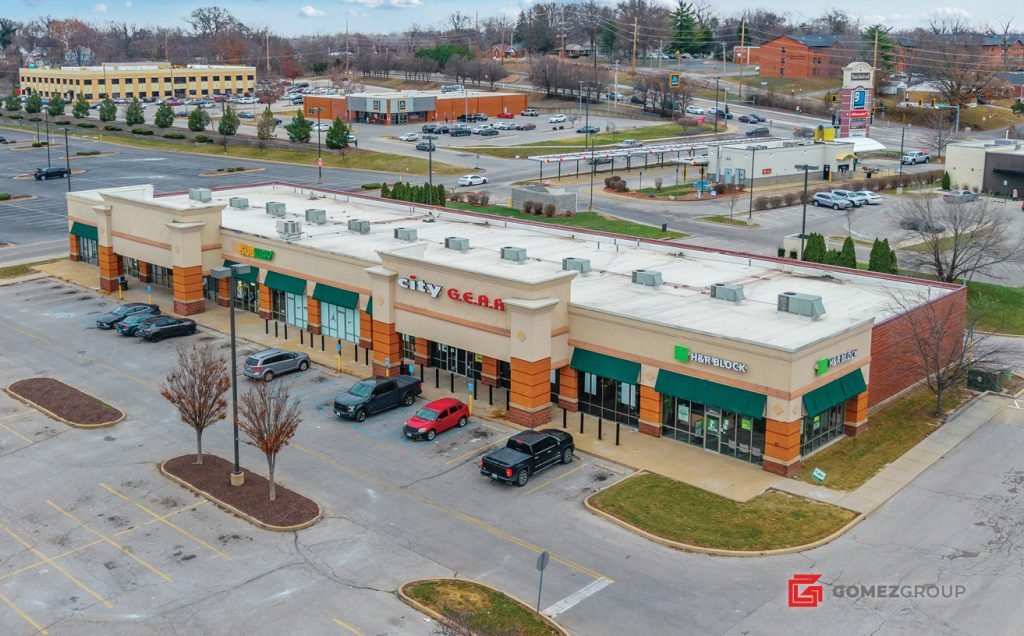
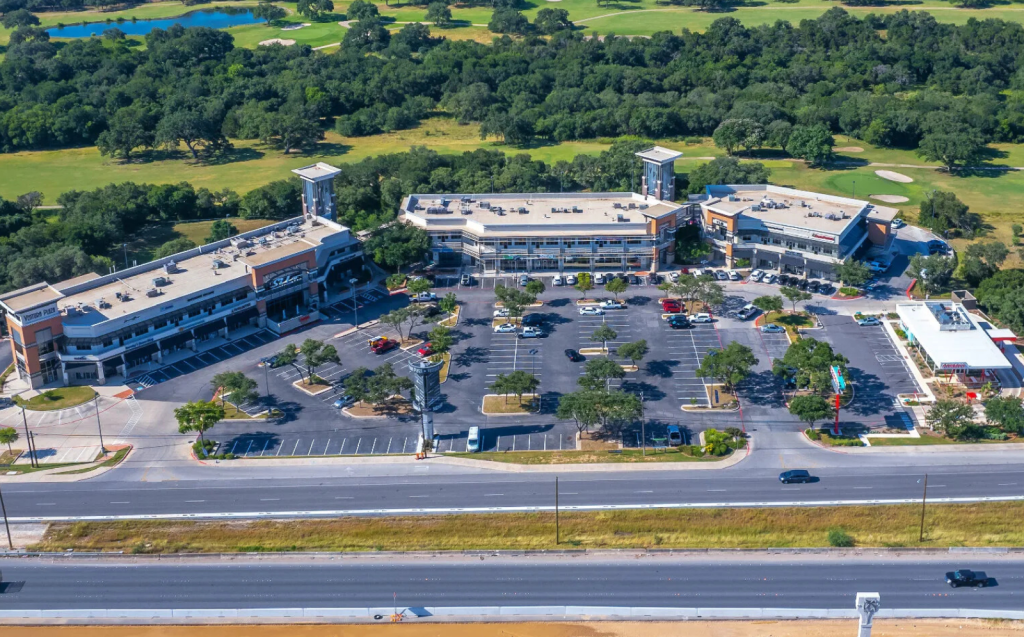
Retail commercial real estate encompasses a wide variety of property types, including shopping centers, malls, strip malls, stand-alone retail stores, and mixed-use developments. Each type presents its own set of opportunities and challenges, making it essential for anyone involved in this sector to have a deep understanding of market trends, consumer preferences, and location dynamics.
Understanding Retail Commercial Real Estate
Retail commercial real estate refers to properties that are used exclusively for retail purposes. These properties are designed to accommodate businesses that sell goods and services directly to consumers, making them a crucial component of the retail industry. Unlike other types of commercial real estate, such as office or industrial properties, retail spaces are customer-facing and require a unique approach to site selection, layout, and tenant mix.
One of the most critical factors in retail commercial real estate is location. The old adage “location, location, location” holds especially true in this sector, as the success of a retail business often depends on its visibility, accessibility, and proximity to target customers. High foot traffic areas, such as busy downtown streets or popular shopping districts, are typically more desirable for retail properties. However, these prime locations also come with higher costs and increased competition.
In addition to location, the type of retail property plays a significant role in its potential for success. For example, a shopping center that houses multiple tenants, such as a mix of retail stores, restaurants, and entertainment venues, offers a diversified income stream and can attract a broader range of customers. On the other hand, a stand-alone retail store may offer more control over the property and branding but might require more aggressive marketing efforts to draw in customers.
The design and layout of retail properties are also critical considerations. Retail spaces need to be inviting, easy to navigate, and optimized for the flow of customers. For example, anchor tenants, large, well-known stores that draw significant customer traffic, are often strategically placed in shopping centers to maximize foot traffic to smaller, neighboring stores. Additionally, the interior design and layout of individual retail spaces can impact sales, with factors such as lighting, signage, and product placement all playing a role in the customer experience.
The Importance of Market Research in Retail Commercial Real Estate
Market research is the foundation of success in retail commercial real estate. Understanding consumer behavior, demographic trends, and economic indicators can help investors and business owners make informed decisions about where to buy, lease, or sell retail properties. This research involves analyzing a variety of factors, including:
- Demographics: Knowing the characteristics of the local population, such as age, income level, and spending habits, is crucial for determining the potential success of a retail property. For instance, a high-end boutique may thrive in an affluent neighborhood, while a discount retailer might perform better in an area with a larger middle-income population.
- Consumer Behavior: Understanding what consumers want and how they shop is essential for selecting the right retail property or the selling of an investment. This includes analyzing trends in online shopping, the demand for experiential retail, and the growing importance of sustainability and ethical consumerism.
- Economic Conditions: The state of the economy, both locally and nationally, can have a significant impact on the retail sector. Factors such as employment rates, consumer confidence, and interest rates all play a role in the performance of retail properties.
- Competitive Landscape: Analyzing the competition in the area is crucial for determining the potential success of a retail property. This includes identifying existing businesses, understanding their strengths and weaknesses, and assessing the level of market saturation.
The Role of Lease Agreements in Retail Commercial Real Estate
Lease agreements are a fundamental aspect of retail commercial real estate. These legal contracts outline the terms and conditions under which a tenant rents a retail space, and they play a critical role in determining the financial success of both the property owner and the tenant.
One of the most important components of a lease agreement is the rent structure. Retail leases often include a base rent, which is a fixed amount that the tenant pays each month, as well as additional charges for things like maintenance, utilities, and property taxes. In some cases, leases may also include a percentage rent clause, which requires the tenant to pay a percentage of their sales revenue to the landlord in addition to the base rent. This type of arrangement can benefit both parties, as the landlord’s income increases with the tenant’s success, while the tenant enjoys a lower base rent.
Lease agreements also address other important factors, such as the length of the lease term, options for renewal, and tenant improvement allowances. Tenant improvement allowances are funds provided by the landlord to help the tenant customize the space to their needs, such as installing new flooring, lighting, or signage. These allowances can be a significant factor in attracting tenants to a retail property, as they reduce the upfront costs of setting up shop.
Additionally, lease agreements may include provisions related to exclusivity and co-tenancy. Exclusivity clauses prevent the landlord from leasing space to a competitor of the tenant within the same shopping center or property, which can protect the tenant’s business from direct competition. Co-tenancy clauses, on the other hand, allow the tenant to reduce their rent or terminate the lease if certain conditions are not met, such as if an anchor tenant leaves the property or if the shopping center’s occupancy falls below a certain level.
Given the complexity of retail lease agreements, it’s essential for both landlords and tenants to work with experienced professionals who can negotiate favorable terms and ensure that the agreement aligns with their long-term goals.
Trends Shaping the Future of Retail Commercial Real Estate
The retail commercial real estate sector is constantly evolving, driven by changes in consumer behavior, technological advancements, and economic shifts. To stay competitive, investors and business owners must keep an eye on emerging trends and adapt their strategies accordingly.
One of the most significant trends shaping the future of retail commercial real estate is the rise of e-commerce. The growth of online shopping has transformed the retail landscape, leading to increased demand for logistics and distribution centers as well as a shift in how physical retail spaces are used. Many retailers are adopting an omnichannel approach, integrating their online and offline operations to create a seamless shopping experience for customers. This has led to the development of smaller, more flexible retail spaces that serve as showrooms, pickup locations, or experiential hubs rather than traditional storefronts.
Another trend is the growing demand for experiential retail. Today’s consumers are seeking more than just products—they want experiences. Retailers are responding by creating interactive, immersive environments that engage customers and encourage them to spend more time in the store. This trend is driving the design of retail spaces that incorporate elements such as virtual reality, personalized services, and social media integration.
Sustainability is also becoming increasingly important in retail commercial real estate. Consumers are more environmentally conscious than ever, and they expect the businesses they support to share their values. As a result, many retailers are seeking out properties with green certifications, such as LEED or BREEAM, and incorporating sustainable practices into their operations. This trend is creating opportunities for property owners to attract tenants by investing in energy-efficient systems, renewable energy sources, and sustainable building materials.
Finally, the COVID-19 pandemic has accelerated the adoption of new technologies in retail commercial real estate. From contactless payment systems to advanced analytics that track customer behavior, technology is playing a critical role in helping retailers adapt to changing conditions and meet the needs of their customers. Property owners who invest in smart technologies and data-driven solutions will be better positioned to attract and retain tenants in the future.
Selling Retail Commercial Real Estate
Selling retail commercial real estate is a strategic process that requires a deep understanding of the market, the property’s value, and the needs of potential buyers. It involves more than just listing a property. Successful sales depend on comprehensive market analysis, effective marketing strategies, and skilled negotiation. The goal is to position the property in a way that highlights its potential for generating revenue, whether through prime location, high foot traffic, or a strong tenant mix. Given the complexities of the transaction, working with experienced real estate professionals is essential to navigate the intricacies of the deal, ensuring that the property is sold at the best possible price and under favorable terms.
The Value of Partnering with a Professional Retail Real Estate Team
Given the complexities and challenges of retail commercial real estate, it’s clear that success in this sector requires more than just a good location or a well-designed property. It demands a deep understanding of the market, careful planning, and the ability to navigate the legal and financial intricacies of commercial transactions. By partnering with Gomez Group, you can navigate the challenges of this market with confidence, make smart investment decisions, and achieve your retail commercial goals. The expertise, resources, and support of our team are invaluable assets that can help you succeed in the competitive world of retail commercial real estate.