

How GIS Mapping is Transforming Commercial Real Estate
Acquiring the right commercial property is one of the most critical decisions for investors, developers, and tenants. Traditional methods often rely on demographic reports, traffic studies, and market trends, but Geographic Information System (GIS) mapping has revolutionized the process by providing data-driven surveys and precise spatial analysis.
GIS mapping enables commercial real estate professionals to visualize market conditions and analyze geographic trends with unparalleled accuracy. By leveraging advanced mapping technology, brokers and investors can make informed decisions that align with consumer behavior, infrastructure development, and long-term investment potential.
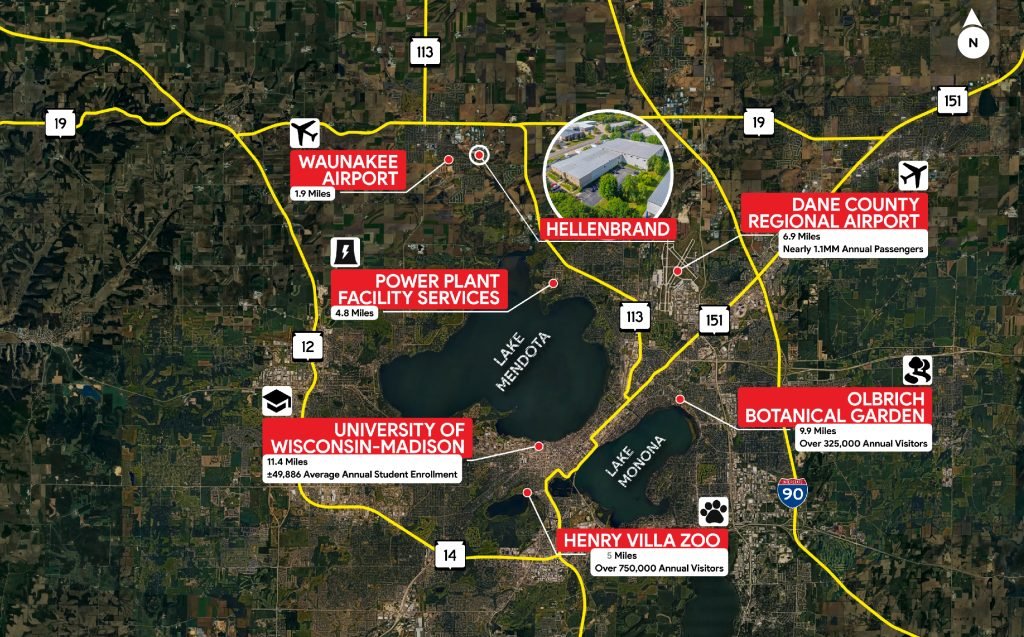
Here’s a table outlining key applications of GIS mapping in commercial real estate:
Application | How It Helps in Commercial Real Estate |
|---|---|
Site Selection | Identifies high-traffic locations, consumer demographics, and competitor presence. |
Market Analysis | Provides insights into spending habits, population density, and retail demand trends. |
Zoning & Land Use Planning | Helps developers understand zoning restrictions, land use regulations, and compliance requirements. |
Traffic & Accessibility Studies | Evaluates transportation networks, parking availability, and pedestrian accessibility. |
Environmental Risk Assessment | Maps flood zones, hazardous areas, and climate risks affecting property investment. |
Investment Portfolio Optimization | Assists investors in selecting high-growth commercial districts and real estate development opportunities. |
Retail Leasing Strategy | Helps brokers position properties for maximum exposure and tenant attraction. |
Infrastructure Development | Supports planning for public transportation routes, utilities, and commercial expansion. |
GIS mapping is a powerful tool that enhances decision-making and investment strategies in commercial real estate.
The Role of GIS in Commercial Property Location Analysis
1. Identifying High-Value Locations
GIS mapping allows clients and investors to assess foot traffic patterns, population density, and competitor presence in a given area. By overlaying real-time data on maps, professionals can pinpoint locations with strong consumer demand and accessibility, ensuring that commercial properties are positioned for success.
2. Market Demographics and Consumer Behavior Insights
Understanding who shops, works, and lives in a particular area is essential for commercial real estate success. GIS mapping integrates census data, spending habits, and lifestyle preferences, which Gomez Group uses as a broker to market shopping centers for clients. This data-driven approach enhances strategies and ensures long-term occupancy stability.
3. Infrastructure and Accessibility Analysis
A commercial property’s success depends on transportation access, parking availability, and proximity to major roads and transit hubs. GIS mapping provides detailed insights into traffic flow, public transportation routes, and pedestrian accessibility, helping investors make informed decisions.
4. Risk Assessment and Environmental Considerations
GIS mapping is invaluable for evaluating flood zones, environmental hazards, and zoning restrictions that may impact commercial developments. By analyzing land use planning regulations, brokers can guide clients toward properties that meet compliance standards while minimizing investment risks.
How Gomez Group Leverages GIS Mapping
Gomez Group integrates cutting-edge GIS mapping into every stage of our brokerage services to deliver hyper-targeted, data-backed strategies for shopping center and retail property clients. This technology empowers us as brokers to go beyond surface-level assessments and deliver real estate solutions anchored in precision.
By leveraging GIS insights, we can:
- Compare potential properties across multiple markets based on consumer demand, infrastructure strength, and accessibility, giving clients a competitive edge.
- Create compelling visualizations that highlight property positioning, trade areas, and advantages through interactive presentations.
- Pinpoint rising commercial corridors to help investors strengthen their portfolios with properties poised for growth.
With GIS analysis embedded into our marketing processes, Gomez Group delivers more than just locations—we provide location intelligence.
GIS mapping provides a powerful tool for analyzing geographic and demographic trends, allowing us to assess how local population shifts, retail demand, and infrastructure development that influence commercial real estate value. By leveraging GIS mapping insights, Gomez Group crafts data-driven marketing strategies that elevate our clients’ retail and shopping centers. As a broker, analyzing demographic trends, consumer behavior, traffic patterns, and competitive landscapes, enable brokers to pinpoint optimal property opportunities that align with market demand.
Our team uses these spatial insights to not only identify high-potential retail zones but also to create compelling visualizations that resonate with investors and tenants alike.
GIS mapping enables us to forecast regional growth trajectories, helping clients position their properties in areas on the cusp of commercial expansion. This strategic approach ensures that marketing efforts are sharply focused and that every recommendation supports long-term performance and minimizes investment risk.
People Also Ask: GIS Mapping in Commercial Real Estate
How does GIS mapping improve commercial real estate?
GIS mapping enhances commercial real estate by providing data-driven insights into consumer demographics, foot traffic patterns, and infrastructure accessibility. By analyzing geographic data, investors and clients can identify high-demand locations, assess zoning regulations, and optimize property placement for maximum visibility and profitability.
What types of data can GIS mapping provide for commercial real estate?
GIS mapping integrates market trends, population density, transportation networks, and competitor locations to help real estate professionals make informed decisions. It also offers environmental risk assessments, ensuring properties comply with land use regulations and avoid potential hazards like flood zones or restricted development areas.
Why is GIS mapping important for retail and investment properties?
Retail and investment properties rely on strategic location analysis, and GIS mapping provides real-time data on consumer behavior, spending habits, and accessibility. Clients and investors use GIS to pinpoint high-traffic areas, optimize leasing strategies, and ensure properties align with long-term market growth projections.
Experts at GIS-Driven Real Estate Strategies

GIS mapping is transforming how investors and tenants approach commercial real estate. By leveraging advanced spatial analysis, businesses can make data-backed decisions that align with consumer trends, infrastructure growth, and long-term investment viability. However, fully utilizing GIS technology requires expert guidance to interpret data correctly and apply it strategically to real estate acquisitions.
At Gomez Group, we specialize in market analysis and commercial property brokerage, ensuring clients can secure locations optimized for high-foot-traffic retail, industrial efficiency, and mixed-use development growth. We leverage GIS Mapping strategically to market our clients’ properties, highlighting location advantages and maximizing visibility to attract the right buyers and tenants. Whether assessing zoning regulations, consumer demographics, or transportation accessibility, our team provides the strategic insights necessary for long-term success.
For those exploring opportunities in commercial real estate, net lease investments, or shopping center brokerage, Gomez Group offers tailored solutions backed by industry-leading analytics. Discover how GIS mapping can enhance your real estate portfolio and guide smarter investment strategies—contact Gomez Group today to discuss your commercial property needs.