

To calculate cap rate on a commercial property, divide the property’s Net Operating Income (NOI) by its current market value or purchase price, then multiply by 100. Learning how to calculate cap rates gives you the fastest way to evaluate your expected return on investment before accounting for mortgage financing.
For instance, if a commercial asset generates $100,000 in annual NOI and is priced at $1,250,000, your capitalization rate is 8%.
What is Capitalization Rate in Commercial Real Estate?
Capitalization rate, commonly known as cap rate, is a foundational financial metric used across commercial property investing. It measures the unleveraged rate of return an asset produces based on its annual net income.
Understanding how to calculate cap rates allows investors to evaluate raw earning potential across different deals without debt skewing the numbers. It provides a standardized baseline for comparing assets in varying submarkets.
Key takeaway: Capitalization rates reflect both return expectations and perceived asset risk.
- Higher Cap Rates (8% – 10%+): Signal higher operational risk, older buildings, tertiary locations, or shorter tenant leases, offering greater cash yields in exchange for stability risks.
- Lower Cap Rates (4% – 6%): Indicate lower risk, prime metropolitan locations, modern construction, and creditworthy tenants, offering long-term stability with lower yields.
How to Calculate Cap Rate on a Commercial Property Step-by-Step?
Calculating your expected return relies on gathering verifiable income statements and subtracting true operational overhead.
Partnering with an experienced retail commercial real estate brokerage helps ensure you analyze real property performance rather than overly optimistic seller pro formas. Follow this sequential step-by-step process to perform a clean cap rate calculation:
- Calculate Gross Operating Income (GOI):
Sum up all potential rental revenues along with secondary income sources such as parking fees, storage rentals, or utility reimbursements. Subtract anticipated losses from market vacancy rates and non-paying tenants.
- Determine Annual Operating Expenses:
Add up all recurring annual costs required to keep the building running—property taxes, building insurance, third-party management, maintenance, repairs, and utilities. Do not subtract mortgage payments or major capital improvements (CapEx).
- Subtract Expenses to Find Net Operating Income (NOI):
Deduct total operating expenses from your Gross Operating Income. The resulting figure represents your net operating performance for the year.
- Divide NOI by the Asset Value:
Divide your calculated annual NOI by the property’s acquisition price or present market appraisal, then multiply by 100 to get your percentage return.
The Essential Formula Every Investor Needs
To calculate capitalization rates accurately across any asset class, use this standard mathematical relationship:
Here is how the core inputs within the cap rate formula real estate investors use function:
| Formula Variable | Definition | Inclusion Rules |
| Net Operating Income (NOI) | Net revenue produced by the asset annually. | Includes rent & fees; excludes debt service & CapEx. |
| Property Value / Price | Total market value or agreed purchase price. | Based on current appraisal or actual acquisition cost. |
A Real-World Commercial Calculation Example
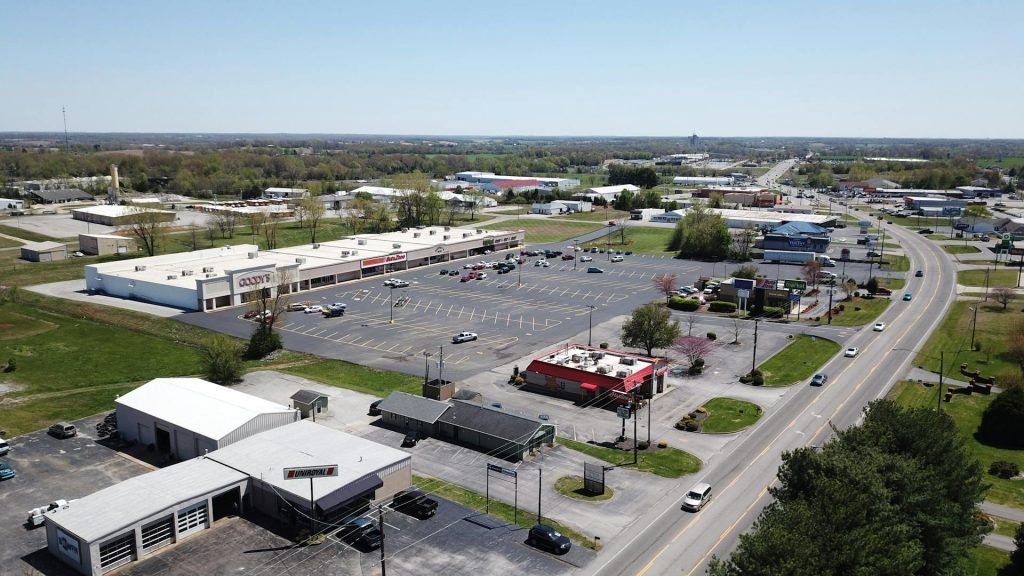
Let’s look at how the math works in practice for a neighborhood strip center.
1. Revenue & Income Breakdown
- Gross Rental Income: $300,000
- Vacancy & Collection Losses (5%): -$15,000
- Effective Gross Income: $285,000
2. Annual Operating Expenses
- Property Taxes: $30,000
- Insurance Premium: $12,000
- Property Management & Repairs: $28,000
- Total Operating Expenses: $70,000
3. Applying the Math
- Determine NOI: $285,000 — $70,000 = $215,000 NOI
- Apply Valuation: Asking price for the center is $2,860,000. Divide $215,000 by $2,860,000.
- Calculate Final Cap Rate: $0.07517*100 = 7.52%
Using our standard formula for cap rate, this property generates an unleveraged initial yield of 7.52%.
Understanding Cap Rate Compression and Market Shifts
Capitalization rates fluctuate over time based on broader economic shifts, interest rate changes, and localized real estate trends.
High Buyer Demand / Low Supply ──> Property Prices Rise ──> Cap Rates Compress (Lower % Yield)
Higher Interest Rates / Risk ──> Property Prices Drop ──> Cap Rates Expand (Higher % Yield)
A crucial market trend every investor must track is cap rate compression, which happens when market cap rates drop due to asset values climbing faster than net income.
- Drivers of Compression: Increased institutional investor competition, low prevailing interest rates, tight inventory, and rapid rent growth push purchase prices upward.
Because price sits in the denominator of the equation, higher purchase prices reduce the cap rate percentage even if NOI remains flat. - Impact of Expansion: When interest rates rise or economic risks increase, cap rates expand (increase), causing property valuations to adjust downward to meet higher buyer yield demands.
Applying Cap Rates Across Different Property Types
Cap rate expectations vary across distinct sectors within commercial real estate.
At Gomez Group, our team evaluates asset performance across multiple commercial categories to help buyers and sellers optimize pricing and deal structure.
- Single-Tenant Net Lease (STNL): Properties occupied by national corporate tenants trade at lower cap rates due to long-term leases and minimal landlord responsibilities. Working with a dedicated net lease brokerage helps verify tenant credit ratings and lease guarantees.
- Multi-Tenant Retail Plazas: Neighborhood centers often carry slightly higher cap rates to compensate for tenant lease rollover risks and ongoing management requirements.
- Shopping Centers: Larger retail properties require rigorous lease audits. Engaging a specialized shopping center brokerage ensures tenant expense reimbursements (such as NNN structures) match true reported NOI numbers, helping investors accurately evaluate available properties before making acquisition decisions.
Common Mistakes When Calculating Commercial Cap Rates
Avoid these common analytical mistakes when running property valuations:
- Subtracting Mortgage Debt Service: Principal and interest payments depend on your specific financing terms, not the building’s physical performance. Debt service must never be subtracted when deriving NOI for a cap rate.
- Confusing Cap Rate with Cash-on-Cash Return: Cap rate measures total unleveraged yield, whereas cash-on-cash return measures the annual cash yield generated specifically on your actual equity down payment after mortgage debt is paid.
- Mishandling Capital Expenditures (CapEx): One-time structural costs—like replacing a roof or repaving a parking lot—are capital investments, not recurring operational expenses. Deducting them directly from operating expenses artificially depresses NOI.
- Ignoring Future Replacement Reserves: Relying strictly on historical seller statements without factoring in realistic property management fees or future tenant turnover reserves leads to inflated yield expectations.
Navigating Your Commercial Investment Strategy
Calculating capitalization rates gives you a practical, objective benchmark for evaluating commercial real estate opportunities.
By understanding how NOI and asset valuations interact, you can identify mispriced listings, evaluate market trends, and make informed acquisition decisions.
Whether you are expanding a single-tenant net lease portfolio or acquiring multi-tenant retail centers, running accurate numbers is essential to achieving long-term profitability. The advisors at Gomez Group assist investors in evaluating, buying, and selling commercial real estate assets nationwide.
Frequently Asked Questions:
Q1. What is a good cap rate for a commercial property?
A “good” cap rate depends on location, asset quality, property age, and your investment goals. Historically, commercial cap rates range between 4% and 10%. Lower cap rates (4%–6%) represent low-risk, high-demand assets in major metros, while higher cap rates (8%+) reflect secondary markets or properties with higher operational turnover.
Q2. What is the main difference between cap rate and ROI?
Cap rate measures an asset’s unleveraged performance for a single year based on Net Operating Income relative to value. ROI (Return on Investment) tracks total profitability over time, factoring in financing, debt paydown, tax shelter benefits, and equity appreciation upon resale.
Q3. How do rising interest rates impact commercial cap rates?
When interest rates rise, borrowing costs increase for buyers. Higher capital costs typically push cap rates higher (cap rate expansion), which can exert downward pressure on commercial valuations unless NOI increases at an equal pace.
Q4. Can a commercial property have a negative cap rate?
Yes, a property has a negative cap rate if operating expenses exceed gross income, resulting in negative NOI. This typically occurs in vacant properties, severe distress sales, or major redevelopment projects during turnaround periods.
Q5. How does Gomez Group assist investors with cap rate analysis?
Gomez Group provides market valuations, property underwriting, and brokerage services across net lease and retail sectors nationwide. Our team helps investors verify true NOI, analyze market compression, and structure transactions to maximize returns.