
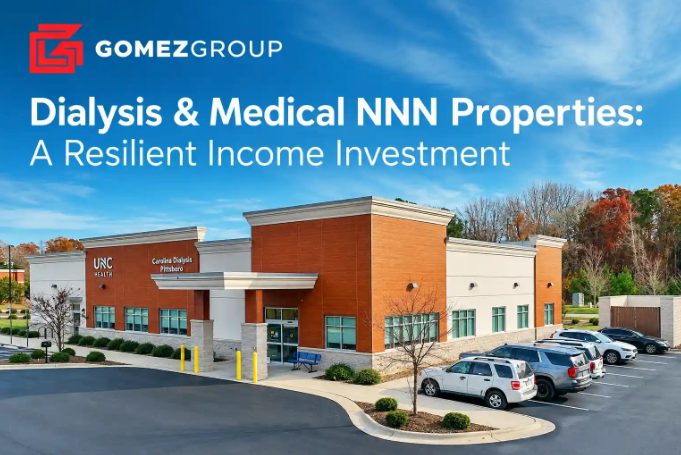
A dialysis center can serve patients for years while giving a commercial property investor a source of rental income under a long-term lease. The opportunity lies in understanding how the healthcare business, building, and lease work together.
Before purchasing a NNN medical property for sale, investors should look beyond the tenant’s name and advertised return to understand what could keep the property valuable throughout the lease and beyond.
What Makes a Dialysis Center Different From a Typical Retail Property?
A dialysis center serves patients who need regular treatment, making location, accessibility, and building suitability important. Unlike retail properties influenced by changing shopping habits, these facilities support essential healthcare services. However, demand alone does not guarantee tenant profitability or consistent rental income.
A closer look at the facility can help investors understand its potential:
| Consideration | Why it matters |
| Patient access matters | Convenient roads, parking, and proximity to the communities served can support the center’s practical value. |
| The building has a specific purpose. | Medical plumbing, treatment areas, electrical capacity, and other features may make the space suitable for dialysis but harder to convert for ordinary commercial use. |
| Relocation can involve disruption. | Moving an established treatment operation may require planning, equipment installation, approvals, and changes to patient arrangements. |
| Local demand still counts. | Nearby providers, population needs, and access to other treatment facilities can influence the site’s long-term relevance. |
For a dialysis property investment, the key question is whether the location and building will continue to make commercial sense for the tenant. A specialized facility can encourage long-term occupancy, but investors should never treat that possibility as a guarantee.
Look Beyond the Lease Term to Understand the Real Commitment
A long lease can offer clearer rental income expectations, but investors should also review expense responsibilities, rent increases, and early termination terms.
Investors considering a 1031 exchange in commercial real estate should assess these lease details alongside their investment goals. Since eligibility and tax treatment depend on the transaction, professional advice is essential.
Lease details to review
- Rent increases: Check when increases take effect and whether the agreed amounts keep pace with rising ownership costs.
- Repair responsibilities: Confirm who handles the roof, structure, parking areas, and major mechanical systems.
- Renewal options: Review the deadlines, notice periods, and financial terms that apply if the tenant wants to stay.
- Early termination rights: Identify any circumstances that could allow the tenant to end the lease before its scheduled expiry.
- Guarantees: Establish which legal entity owes the rent and whether another company guarantees payment.
A lease that appears attractive at first may carry obligations that become important later. Reading the agreement carefully helps investors understand how much of the property’s performance depends on the tenant and how much responsibility remains with the owner.
Examine the Business Behind the Rent Check
A medical property may have a recognizable operator, but the company named on the lease deserves just as much attention as the brand displayed outside the building.
Investors should establish whether the tenant is a large operating company, a local subsidiary, or a separate entity responsible for one facility. This distinction matters because the financial resources available to the tenant may differ from those of its wider corporate group.
For a Fresenius NNN investment, review the actual lease documents to identify the tenant, any guarantor, and the precise obligations each party has accepted. Do not assume that every property associated with a familiar healthcare brand has the same lease structure or financial backing.
Judge the Building by What Happens After the Current Tenant
Buyers should consider what happens if the current dialysis operator leaves. Another healthcare provider may find the facility useful, but changes to its layout, equipment, or infrastructure could require costly renovations.
Finding a replacement tenant may also take time, increasing vacancy costs and affecting the property’s future resale value.
Three possible outcomes
| Future use | What to consider |
| Another dialysis operator takes over | The building may already have useful treatment areas and infrastructure, although changes and approvals could still be required. |
| A different medical provider occupies the site. | A specialist clinic or another healthcare business may find the location suitable, depending on the building’s layout and local requirements. |
| The property needs a wider conversion. | If medical use is no longer practical, the owner may need to invest in changes before marketing the building to another type of tenant. |
Investors should ask a qualified property professional to assess these possibilities. The aim is not to predict exactly who will occupy the building in the future, but to understand the likely cost and difficulty of finding another use.
Compare Rental Income With the Work the Property May Need
Two medical properties may have similar cap rates but different repair needs, lease terms, and resale potential. A medical net lease investment should be evaluated based on rental income and potential ownership costs.
Example: A property priced at $3 million with $180,000 in annual net operating income has a 6% cap rate, excluding financing costs, income taxes, and other expenses.
The same return can mean different things depending on the property’s condition and lease terms. A buyer should investigate:
- Upcoming repairs: Check the condition of the roof, heating and cooling systems, plumbing, and electrical equipment.
- Rent growth: Determine whether scheduled increases are fixed, conditional, or linked to an index.
- Vacancy exposure: Estimate how long the property might remain empty if the tenant does not renew.
- Replacement costs: Consider the expense of marketing the property, preparing it for another occupant, and completing required improvements.
- Resale prospects: Assess how the remaining lease term and tenant profile may affect future buyer interest.
Comparing these factors provides a more realistic view than choosing a property simply because its initial yield looks higher.
Consider How Healthcare Changes Could Affect Property Demand
Healthcare needs, treatment methods, reimbursement policies, and operator strategies can influence how providers use their facilities. Investors should consider these changes when evaluating a dialysis property’s long-term potential.
Review nearby treatment centers, local competition, patient access, and the operator’s business plans. Also, check whether the building can accommodate future upgrades or changes in medical services.
A convenient location and established patient base may support continued demand, but they do not guarantee future success. Understanding these factors helps investors identify potential risks and make better-informed decisions before purchasing a medical property.
Build Your Purchase Decision Around the Property’s Full Life Cycle
Look beyond rental income to assess lease terms, tenant strength, building condition, and future resale potential. Review financial records, inspect the property, and understand the risks before investing.
Gomez Group helps investors evaluate commercial real estate opportunities with a focus on income potential and long-term suitability. Explore NNN medical property for sale opportunities with careful due diligence to make an informed investment decision.
Frequently Asked Questions:
1. Why can dialysis centers appeal to commercial property investors?
Dialysis centers provide essential medical services and may offer long-term rental income through suitable leases.
2. Does a long NNN lease guarantee stable rental income?
No. Tenant default, business difficulties, or early termination can affect rental income.
3. What should buyers review in a Fresenius medical property transaction?
Check the tenant’s financial strength, lease terms, guarantees, property condition, and local market.
4. Why is the property’s future use important?
Alternative uses can affect vacancy periods, renovation costs, and resale value if the current tenant leaves.
5. How can investors compare two dialysis properties with different cap rates?
Compare rental income, lease terms, tenant strength, repair costs, and future leasing prospects. A higher cap rate may involve greater risk.