
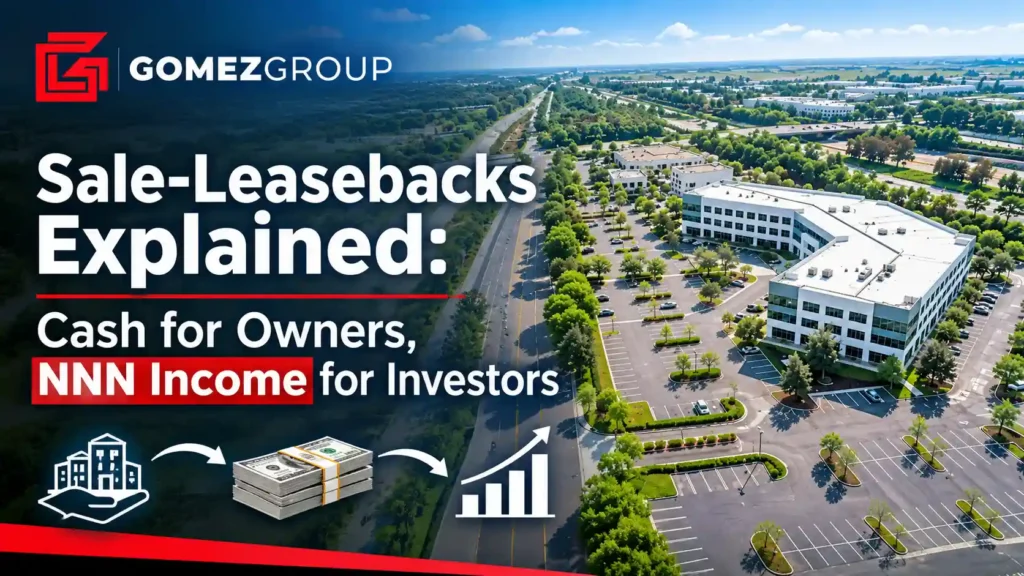
What if business owners could turn their commercial property into cash without moving their business? A sale leaseback makes this possible by allowing owners to sell their property and lease it back to continue daily operations. This arrangement gives businesses access to funds for expansion, debt repayment, or other needs.
At the same time, it allows investors to purchase an occupied commercial property and earn rental income through a long-term lease. Both parties can benefit when the deal is structured carefully.
Key Takeaways:
- Sale-leasebacks help business owners unlock property value without relocating.
- Businesses can use sale proceeds for expansion, debt repayment, and daily expenses.
- Investors can earn rental income from an existing tenant through long-term leases.
- NNN leases generally make tenants responsible for property taxes, insurance, and maintenance.
- Both parties should review property value, tenant strength, lease terms, and future risks before signing a deal.
What Is a Sale-Leaseback, and How Does It Work?
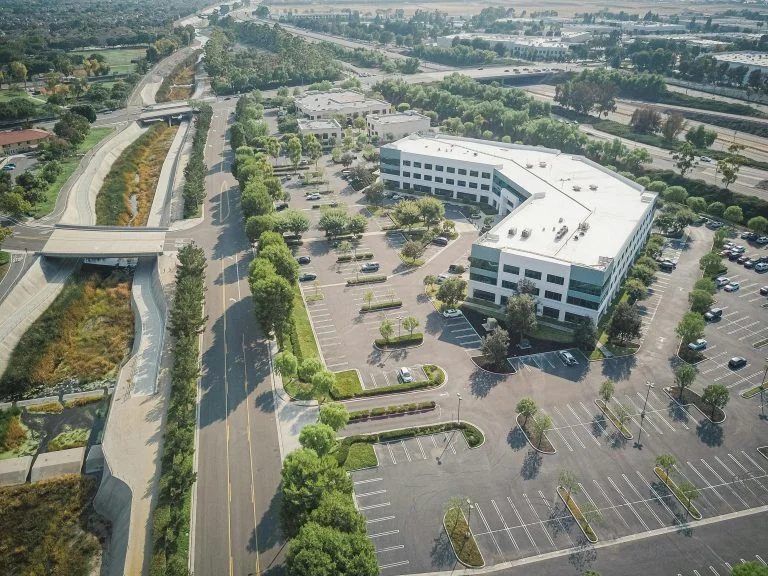
A sale leaseback is a real estate transaction in which a business sells its property to an investor and signs a lease to continue using it. It provides immediate capital to the seller while giving the buyer an occupied property that can generate rental income.
This arrangement can support commercial real estate finance by helping businesses access funds without taking out another property-backed loan. For example, an owner exploring a PNC Bank Investment Property opportunity may also consider this approach when comparing different ways to use property equity.
The process generally follows 5 steps:
- Property valuation: The building is assessed to determine its current market value.
- Finding a buyer: The owner connects with an investor interested in purchasing the property.
- Negotiating lease terms: Both parties agree on rent, lease duration, and responsibilities.
- Completing the sale: Ownership transfers to the buyer, and the previous owner becomes the tenant.
- Continuing operations: The business remains at the property and pays rent under the agreed terms.
The main advantage is that the business receives money from the sale without needing to relocate or interrupt its daily operations.
Why Do Business Owners Consider This Arrangement?
Commercial properties often hold a large amount of money that business owners cannot easily use while they continue occupying the buildings. Selling the property and leasing it back can turn that value into working capital.
Businesses can use the money received from the sale in several ways:
- Business expansion: Invest in new locations, equipment, or additional services.
- Debt repayment: Pay down existing business loans and reduce financial pressure.
- Daily operations: Cover payroll, inventory, and other operating expenses.
- New investments: Direct funds toward opportunities that may offer better returns.
- Improved liquidity: Keep more cash available for unexpected expenses and plans.
However, owners should compare the sale proceeds with future rental expenses. Once the property is sold, they no longer benefit from its future appreciation and must follow the lease conditions to continue using it.
What Makes Sale-Leasebacks Attractive to NNN Investors?
Sale-leasebacks allow investors to purchase income-producing commercial properties with existing tenants. This saves buyers from finding new tenants and provides an opportunity to earn rental income from the start.
A single tenant net lease property can be attractive when the tenant has strong finances, and the lease offers steady rental income.
Under a triple net (NNN) lease, tenants generally pay for:
- Property taxes
- Building insurance
- Property maintenance
However, investors should check who handles major structural repairs, roof replacement, and other capital expenses.
Before buying, review the tenant’s financial health, lease duration, rent increases, property condition, and resale potential. A long lease does not guarantee a profitable investment.
How Should Owners and Investors Evaluate a Deal?
Both parties should look beyond the property’s selling price. The lease structure, tenant quality, property condition, and long-term financial impact can influence whether the transaction makes sense.
Working with experienced Commercial Real Estate Advisors can help owners understand market value and investors assess potential income and risks.
The following comparison highlights what each party should review before moving forward.
Evaluation area | What owners should check | What investors should check |
Property value | Whether the offer reflects fair market value | Whether the purchase price supports expected returns |
Tenant position | Whether the business can afford future rent | Tenant creditworthiness and financial stability |
Lease terms | Rent amount and renewal conditions | Lease duration and rental increases |
Property condition | Future obligations under the lease | Repairs, replacements, and inspection findings |
Financial planning | How sale proceeds will be used | Rental income and ongoing ownership costs |
Examples From Gomez Group's Property Listings
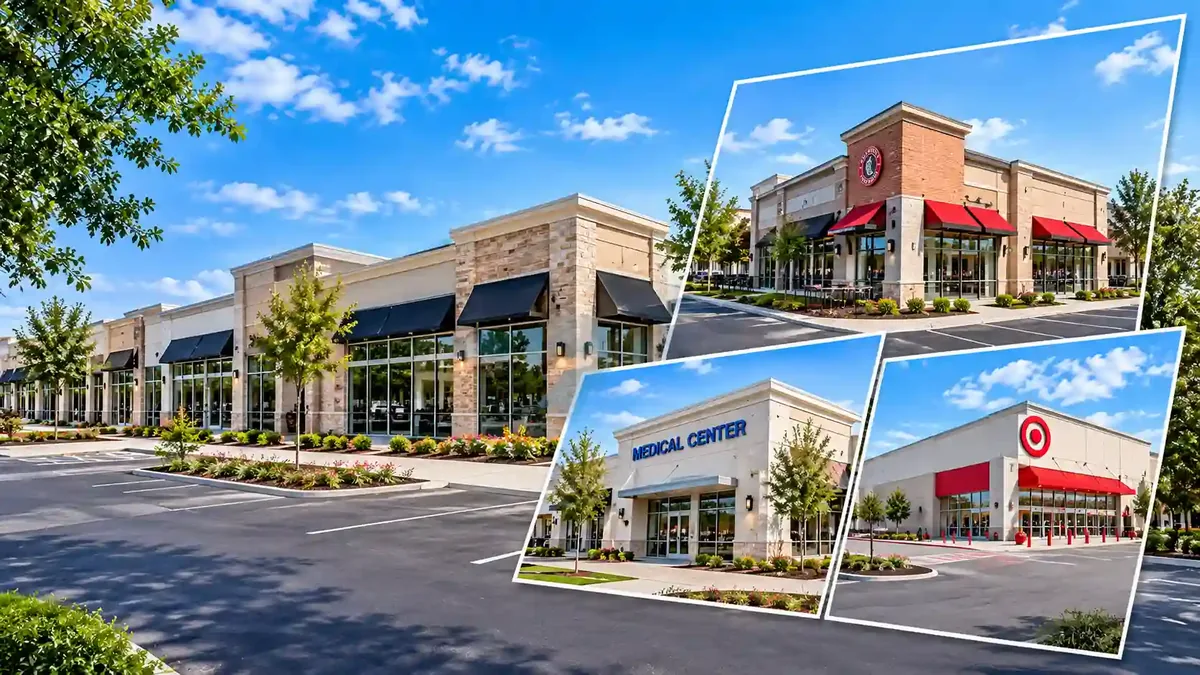
Gomez Group’s publicly available property inventory provides examples of commercial property pricing and cap rates. These listings illustrate the type of market information investors can review. They are available property listings, not confirmed sale-leaseback transactions.
Property | Location | Listed price | Cap rate |
Market Avenue Shops at Boerne | Boerne, TX | $2,933,000 | 8.35% |
Stonehue Shopping Center | San Antonio, TX | $5,462,600 | 7.25% |
PetSmart | Celina, TX | $5,751,000 | 6.25% |
These figures are listing details, not guaranteed investment returns. Actual performance depends on lease terms, expenses, tenant strength, and market conditions.
Which Lease Terms Should Both Parties Review?
The lease is one of the most important parts of this transaction because it defines how the seller can continue using the property and what the buyer can expect as the new owner.
A properly written business property lease agreement should clearly explain the responsibilities of both parties.
Lease term | What to understand |
Monthly rent | Initial payment and scheduled increases |
Lease duration | Initial term and renewal options |
Maintenance | Responsibility for routine repairs and major replacements |
Insurance | Required coverage and payment responsibilities |
Default conditions | Actions allowed if rent is not paid |
Property use | Permitted business activities and property changes |
A detailed commercial real estate lease agreement can help prevent misunderstandings and protect both parties throughout the lease period. Both sides should have the documents reviewed by qualified legal and financial professionals before signing.
What Risks Should Owners and Investors Understand?
Although this arrangement offers financial benefits, it also involves risks that should be reviewed before signing the agreements.
For property owners:
- They give up ownership and future property appreciation.
- They become responsible for regular rental payments.
- They may face higher occupancy costs over time.
- They could lose the right to occupy the property if they violate the lease.
For investors:
- Tenant bankruptcy or business closure can interrupt rental income.
- Missed payments can affect expected returns.
- Unexpected repairs can increase ownership costs.
- Finding a replacement tenant may take time after the lease ends.
- Changes in property values can affect resale opportunities.
Investors should also understand that a bank investment property and a sale-leaseback investment may have different income structures, ownership responsibilities, and risk profiles. Comparing these options can help buyers make informed decisions.
Make Better Property Decisions With the Right Guidance
A sale-leaseback can help business owners access property value while continuing their operations. It also gives investors an opportunity to earn rental income from an existing tenant.
Before moving forward, review the property value, tenant strength, lease terms, and future costs. Connect with Gomez Group to explore suitable commercial real estate opportunities and make informed investment decisions with the right guidance.
Frequently Asked Questions:
1. What is a sale-leaseback in commercial real estate?
It is a transaction in which a property owner sells a building and leases it back from the new owner to continue business operations.
2. Why do companies use sale-leaseback transactions?
Companies use them to access cash, repay debt, fund expansion, and improve working capital without relocating their operations.
3. How do investors make money from sale-leasebacks?
Investors receive rental payments from the business occupying the property. Their returns depend on the purchase price, lease terms, rental income, and ownership expenses.
4. Who pays property taxes and insurance in a sale-leaseback?
Under a typical NNN lease, tenants pay property taxes, insurance, and maintenance costs. However, the actual responsibilities depend on the signed agreement.
5. What should investors check before buying a sale-leaseback property?
Investors should review the tenant’s financial strength, lease duration, rental income, property condition, maintenance responsibilities, and potential resale value.