

Blending Urban Innovation with Sustainable Growth
As cities continue to evolve and adapt to the needs of modern society, mixed-use developments have emerged as more than just a trending concept—they represent a fundamental shift in how investors and developers approach commercial real estate strategy. These sophisticated projects integrate residential, commercial, cultural, and sometimes industrial spaces into cohesive environments that create vibrant, efficient urban ecosystems where multiple revenue streams converge. For investors and buyers examining commercial real estate through a strategic lens, mixed-use properties are rapidly becoming one of the most compelling asset categories in today’s market, offering diversified income potential that traditional single-use properties quite often can’t match.
What is Mixed-Use Development?
A mixed-use development represents a strategic approach to urban planning that transcends traditional zoning limitations by blending multiple functions, such as residential, commercial, cultural, and recreational, into integrated spaces that maximize both land efficiency and community value. Rather than perpetuating the outdated model of separating where people live, work, and shop, these developments create dynamic environments where daily life unfolds within walkable, interconnected communities that respond to how people actually want to live and work.
Consider a sophisticated mixed-use project where ground-floor retail and dining establishments generate consistent foot traffic throughout the day, while office spaces on mid-levels house growing companies that benefit from the energy and convenience below, topped by residential units whose occupants become built-in customers for the commercial components. This isn’t just efficient space utilization—it’s creating economic synergies that enhance the value proposition for every stakeholder involved.
These developments achieve multiple strategic objectives simultaneously: they reduce dependency on lengthy commutes that drain productivity and quality of life, foster organic social interaction and community engagement that strengthens local business ecosystems, support retail and service businesses through guaranteed foot traffic from residents and workers, and promote environmental sustainability by creating compact, efficient urban environments that reduce sprawl and transportation demands.
The sophistication of modern mixed-use projects extends beyond simple vertical mixed-use arrangements (multiple uses within a single building) to encompass horizontal mixed-use planning (complementary uses distributed across a development site), with both approaches designed to create urban environments that are more convenient, connected, and economically resilient than their single-use predecessors.
Why Mixed-Use is the New Mainstream
The era of rigid zoning that artificially separated the components of daily life is giving way to sophisticated urban design that recognizes the economic and social advantages of integration. Most of today’s real estate visionaries, urban planners, and institutional investors are embracing smart city real estate models that prioritize sustainable urban development strategies while delivering superior investment returns through diversified income streams and enhanced property values.
Key drivers behind this trend include:
- Urban Density Demands: With more people moving into city centers, developers must optimize limited land. Mixed-use developments offer vertical solutions that make the most of space.
- Changing Work Patterns: The rise of hybrid and remote work has redefined what people need in their built environments. Offices, co-working areas, and home spaces now coexist more seamlessly.
- Sustainability Imperatives: Integrating various functions in one development reduces the need for long commutes, lowering carbon footprints and supporting eco-conscious lifestyles.
Smart City Real Estate Meets Daily Convenience
Mixed-use projects function as the building blocks of smarter, more resilient urban ecosystems that deliver measurable advantages to developers, investors, and communities alike. By strategically combining retail, office, and residential components, these developments create economic synergies that enhance retail space optimization through consistent foot traffic patterns that span different dayparts, improve community well-being through walkable neighborhoods that reduce car dependency and foster social connections, and strengthen overall economic resilience by diversifying income streams that protect against single-sector downturns.
The retail advantage within mixed-use environments operates on fundamentally different economics than traditional strip centers or standalone stores. With built-in residential density providing consistent customer traffic and office workers adding to foot traffic throughout different portions of the day, retail spaces achieve higher sales per square foot while commanding premium rents that reflect their captive audience advantage. This creates a win-win dynamic where retailers benefit from predictable customer flow, property owners enjoy enhanced rental income, and residents gain convenient access to services and amenities.
Setting the U.S. Benchmark for Mixed-Use Investment Excellence
Hudson Yards in New York City stands as perhaps the most compelling proof point of mixed-use potential in the American market, demonstrating how luxury residential towers, Grade-A office space, experiential retail, cultural institutions, and public amenities can create ecosystem value that exceeds the sum of individual components. As the largest private real estate development in U.S. history, this $25 billion project showcases how sophisticated planning and execution can transform underutilized urban space—in this case, an active rail yard—into a thriving mixed-use destination that generates multiple revenue streams while setting new standards for urban living.
The development’s impressive scale includes over 3 million square feet of premium office space that houses major corporations, more than 200 retail venues ranging from flagship stores to chef-driven restaurants, LEED-certified residential towers that command premium rents, and cultural institutions like The Shed that enhance the area’s prestige and drawing power. This isn’t simply about co-locating different property types, it’s about creating an integrated environment where each component enhances the value and performance of the others.
More importantly for investors and developers studying this model, Hudson Yards demonstrates how mixed-use developments can incorporate sustainability features that reduce operating costs while appealing to environmentally conscious tenants and residents. The project’s green roofs, energy-efficient building systems, and innovative rainwater harvesting technologies not only reduce environmental impact but also create long-term operational savings that improve net operating income and property values.
The development’s strategic connectivity through Penn Station and the extended 7 Subway Line illustrates another crucial success factor: mixed-use projects achieve maximum value when they’re seamlessly integrated with transportation infrastructure that expands their market reach. Hudson Yards embodies the successful integration of smart city real estate principles, retail space optimization strategies, and sustainable urban development practices, establishing a template that influences commercial real estate trends across major markets nationwide.
Embracing the Future of Urban Development
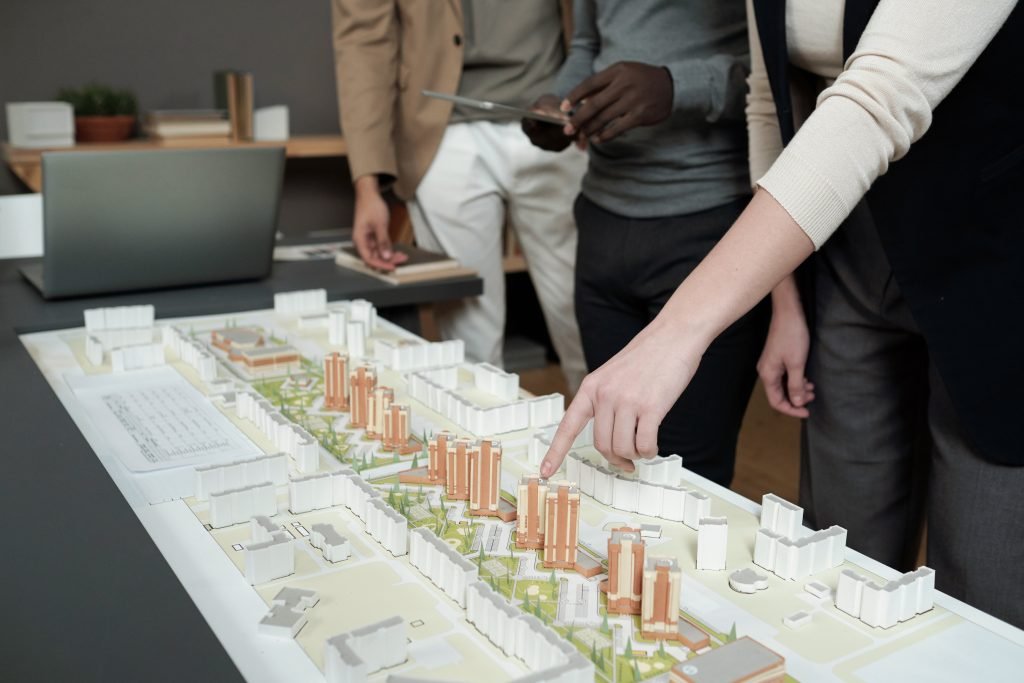
Mixed-use developments have evolved from experimental projects to essential components of diversified real estate investment strategies, offering institutional-quality returns while contributing to more sustainable and livable urban environments.
Embracing new aspects of commercial real estate trends means positioning clients at the forefront of urban development evolution, where understanding the economics of integration creates competitive advantages in both acquisition and disposition strategies. Gomez Group of Cushman & Wakefield takes pride in building lasting relationships. If you’re interested in available properties or national net lease investments, don’t hesitate to reach out—we’d be happy to hear from you!