
Adapting to a New Era of Commerce
Retail spaces are evolving rapidly as businesses adapt to shifting consumer behaviors and emerging commercial property trends. The rise of e-commerce, changes in consumer expectations, and advancements in retail space design have reshaped how physical stores operate. To remain competitive, businesses must stay ahead of these trends and make informed decisions about their commercial real estate strategies.
Physical retail is no longer just about transactions—it’s about creating immersive experiences that bridge digital and in-person interactions. Consumers now seek convenience, personalization, and engagement when visiting brick-and-mortar stores, pushing businesses to rethink traditional layouts and integrate technology-driven solutions. From interactive displays to AI-driven inventory management, the modern retail space must be adaptable, innovative, and strategically located to align with evolving customer expectations.
Although Gomez Group we use Market Analysis and GIS Mapping to uncover retail trends and spatial insights—empowering prospects to make informed decisions when acquiring potential shopping centers. These tools allow us to identify high-traffic zones, demographic shifts, and competitive positioning—critical factors when acquiring properties. By staying ahead of retail trends, we empower investors to make informed, strategic decisions that align with long-term goals.
Key Retail Real Estate Trends
1. Experiential Retail is Driving Foot Traffic
Consumers are seeking engaging, interactive retail experiences that go beyond traditional shopping. Retailers are integrating entertainment, dining, and technology to create dynamic spaces that encourage customers to linger. From immersive brand experiences to pop-up shops, businesses are leveraging retail space design to enhance customer engagement.
2. The Rise of Mixed-Use Developments
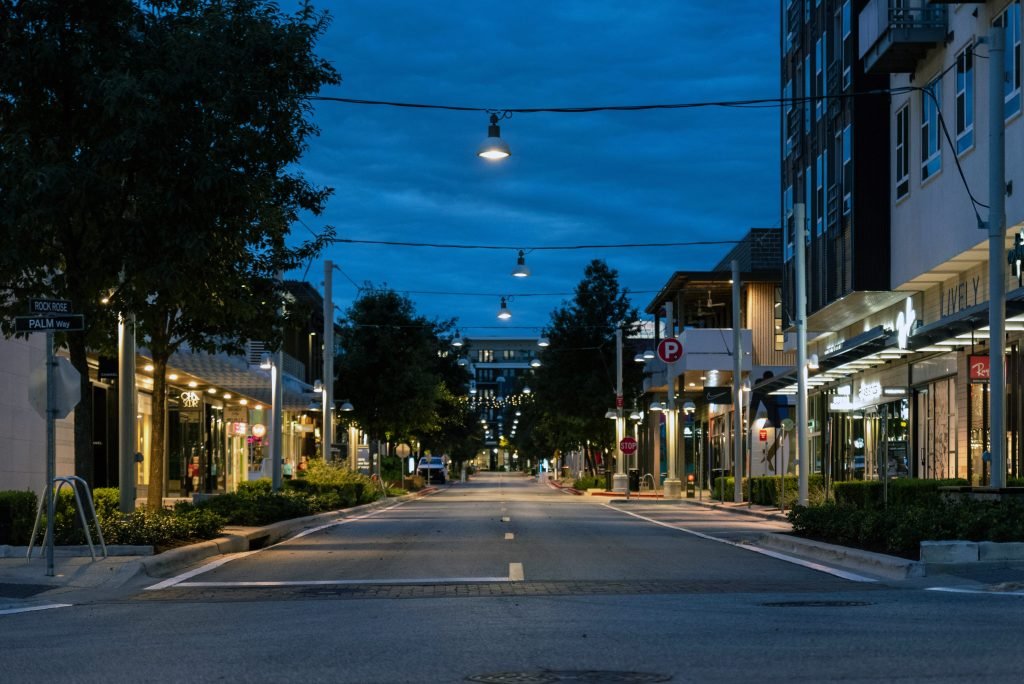
Mixed-use retail spaces, combining shopping, residential, office, and entertainment, are becoming increasingly popular. These developments cater to consumer convenience, offering a blend of services within walkable communities. For businesses, acquiring mixed-use properties provides a built-in customer base and opportunities for higher foot traffic.
3. Technology Integration is Reshaping Retail
Smart retail spaces are leveraging AI-powered analytics, IoT devices, and digital payment solutions to optimize operations. Businesses that embrace data-driven strategies can better understand customer behavior, personalize shopping experiences, and streamline their inventory management.
4. The Shift Toward Smaller Footprints
Retailers are focusing on smaller, more efficient spaces rather than large flagship stores. The trend of “right-sizing” allows businesses to prioritize location, accessibility, and omnichannel strategies while reducing overhead costs. Compact retail spaces are often paired with showroom concepts, where customers browse in-store and complete purchases online.
5. Sustainability and Eco-Friendly Retail Design
Consumers are increasingly drawn to brands that prioritize sustainability. Retail spaces featuring green building materials, energy-efficient systems, and eco-friendly practices appeal to environmentally conscious shoppers. Businesses investing in sustainable retail real estate gain a competitive edge while reducing long-term operational costs.
Things to Know About Retail Real Estate:
A Data-Driven Perspective
Understanding retail real estate requires a data-driven, strategic approach, and Gomez Group, as a broker, plays a key role in guiding clients toward valued investment strategies. Here we explore key factors that shape successful outcomes when working with shopping centers and property owners.
1. Hybrid Retail Strategies Are Reshaping Trends
Retailers today are blending physical and digital shopping experiences. This shift toward hybrid retail models is transforming how tenants utilize commercial spaces—stores are no longer just for transactions but also showrooms, fulfillment centers, and brand experience hubs. At Gomez Group, we recognize that modern retail success depends on adaptability and innovation. That’s why our brokerage approach focuses on marketing properties that meet the evolving operational needs of potential prospects.
Our deep market insights and GIS-based analysis allow us to anticipate shifting trends—so we can connect clients with a property that supports long-term commercial growth.
Additionally, understanding how retail districts integrate digital-first brands is key. Many e-commerce companies are venturing into brick-and-mortar locations to boost customer loyalty and provide tangible shopping experiences. Gomez Group equips clients with the geographic intelligence needed to appeal to today’s evolving retail brands. We identify what centers have to offer through the right combination of consumer demographics, foot traffic patterns, and proximity to high-demand trade areas—turning location into a compelling competitive advantage.
2. Market Data Drives Smarter Decisions
Successful retail decisions rely on analyzing consumer traffic patterns, spending behaviors, and competitive retail districts. By leveraging market analytics, Gomez Group can guide clients toward high-foot-traffic locations that maximize visibility and long-term profitability. By utilizing data from sources like geospatial analysis, footfall tracking, and demographic reports, brokers are a fundamental component for matching clients with the optimal property.
Understanding retail trends also means recognizing emerging commercial hotspots. Certain areas may experience greater demands due to new infrastructure, revitalization projects, or population shifts. Gomez Group stays ahead of emerging retail trends to ensure our clients’ properties are positioned for lasting success.
Through our forward-looking advisory approach, we identify opportunities that not only align with current client demand but also support stable rental income and long-term commercial viability.
3. Retail Properties Must Be Positioned for Maximum Exposure
Location is everything in retail. Attracting high-profile tenants, experiential brands, and national retailers requires presenting retail properties with compelling, data-backed narratives. Securing the right tenant mix depends on strategic marketing that highlights customer demographics, nearby competition, and projected foot traffic growth. GIS data offers the insights needed to showcase trade area strength, visibility, and accessibility—positioning retail properties as premier opportunities aligned with evolving market demands.
The retail industry understands how storefront presentation, signage regulations, and local market dynamics affect property appeal. A well-placed, high-traffic location may not perform well if signage restrictions or poor visibility hinder brand marketing efforts. Proactively assessing these factors can help negotiate placements that enhance store exposure, customer engagement, and long-term investment stability, building off data used to acquire a strategically positioned retail location.
4. Specialized Industry Knowledge Drives Retail Real Estate Success
The retail property sector is fast-paced and ever-changing, demanding deep knowledge of market analytics, and commercial trends. Staying informed on evolving consumer behavior, e-commerce shifts, and zoning regulations is essential for identifying viable opportunities and navigating complex deal structures.
Professionals who focus on specific areas—such as shopping centers, mixed-use developments, or net lease assets—develop valuable expertise that enhances decision-making and builds strong relationships across the industry. This specialized insight fosters strategic opportunities, drives property performance, and supports long-term investment success.
For expert guidance on retail real estate, net lease investments, and shopping center brokerage, visit Gomez Group to explore industry-leading insights and opportunities.
People Also Ask
How are consumer behavior trends influencing retail space design?
Consumer behavior is shaping retail space design in several ways. Shoppers now expect experiential retail, where stores offer interactive elements, personalized services, and immersive environments. Retailers are adapting by incorporating flexible layouts, digital touchpoints, and AI-driven personalization to enhance engagement. Additionally, the demand for sustainability has led to eco-friendly store designs with energy-efficient lighting and recycled materials.
What are the benefits of mixed-use developments for retail businesses?
Mixed-use developments provide retail businesses with built-in foot traffic, as residents and office workers frequent nearby stores. These spaces also offer diversified revenue streams, reducing reliance on a single customer type. Additionally, they create vibrant, walkable communities, making shopping more convenient and increasing customer retention. Retailers in mixed-use developments often benefit from extended operating hours and shared infrastructure, lowering costs.
How can retailers integrate technology to enhance customer experience in physical stores?
Retailers can leverage technology to improve customer experiences through AI-powered personalization, smart checkout systems, and interactive digital displays. AI helps analyze shopping behaviors to offer tailored recommendations, while cashier-less checkout speeds up transactions. Additionally, augmented reality (AR) and virtual reality (VR) allow customers to visualize products before purchasing, creating a more engaging hands on shopping experience.
Partnering for Success in Retail Real Estate
At Gomez Group, we specialize in helping clients and investors understand the complex world of retail real estate. Whether you’re looking for prime net lease properties, seeking expert shopping center brokerage services, or need guidance, our team is here to provide industry-leading expertise.
Explore our resources:
- Learn more about our National Net Lease
- Discover how we maximize value on all of our Closed Properties
- Stay informed on market trends with our
- Commercial Real Estate Blogs
Let us help you navigate the ever-changing retail real estate market—contact Gomez Group today to discuss tailored strategies for your portfolio.