What is Mixed-Use Zoning
Mixed-use zoning is reshaping the urban and suburban landscapes in cities worldwide. This planning strategy combines residential, commercial, cultural, and industrial spaces within a single area, creating vibrant, interconnected communities. From bustling city centers to revitalized suburban neighborhoods, mixed-use zoning fosters economic growth and enhances quality of life for residents and businesses alike. For commercial real estate investors, it represents an opportunity to tap into dynamic, high-demand markets while contributing to sustainable urban development.
Defining Mixed-Use Zoning
At its core, mixed-use zoning integrates various land uses into a single district or building. Unlike traditional zoning—where residential, commercial, and industrial areas are kept separate—mixed-use zoning encourages overlap and interaction. A single property or district might house ground-floor retail shops, upper-level apartments, and nearby office spaces, all accessible by walkways and public transportation.
The concept of mixed-use zoning isn’t new; it harks back to the organic design of historic towns and cities where marketplaces, homes, and civic spaces coexisted. Modern urban planners have embraced this approach to address challenges posed by urban sprawl, traffic congestion, and environmental concerns. By combining land uses, cities can create more efficient and engaging environments for residents and businesses.
Key Characteristics of Mixed-Use Developments
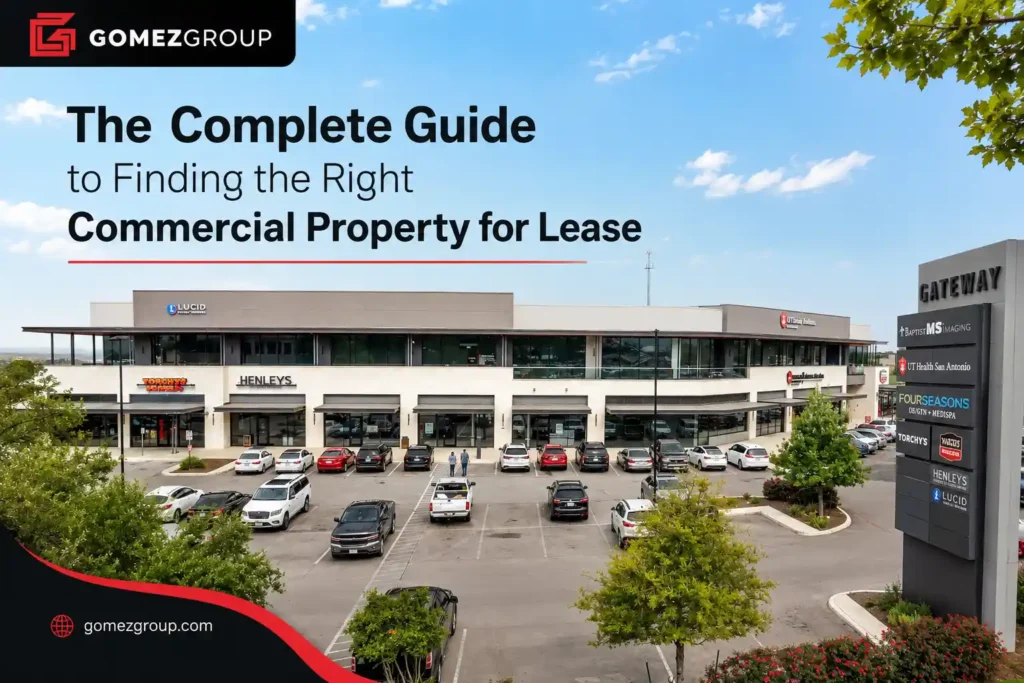
Mixed-use developments can take various forms, ranging from vertical projects—where different uses are stacked within the same building—to horizontal layouts, where distinct land uses are integrated within a cohesive district. Common features include walkability, access to public transportation, shared green spaces, and a blend of housing options tailored to diverse demographics.
Mixed-use zoning regulations often include design guidelines to promote harmony between land uses, ensuring that residential areas coexist comfortably with commercial activities. For instance, noise ordinances and strategic placement of retail spaces can mitigate potential conflicts.
The Appeal of Mixed-Use Zoning for Cities and Residents
One of the main advantages of mixed-use zoning is its ability to create self-sufficient communities. By integrating amenities such as grocery stores, parks, schools, and medical facilities within walking distance of homes and offices, mixed-use areas reduce the need for long commutes. This enhances convenience and reduces traffic congestion, air pollution, and urban sprawl.
Mixed-use zoning also fosters vibrant, 24/7 communities. Unlike single-use districts that might become deserted outside business hours, mixed-use areas are alive with activity throughout the day and night. Cafés and restaurants cater to morning commuters and evening diners, while parks and cultural venues attract residents and visitors year-round. This constant flow of activity increases public safety and encourages social interaction, creating a strong sense of community.
Economic Benefits of Mixed-Use Zoning
The economic advantages of mixed-use zoning are significant, particularly for commercial real estate investors. Mixed-use developments attract diverse businesses, ranging from small retail shops to corporate offices, creating robust, multifaceted economic ecosystems. These environments encourage entrepreneurship and innovation, as businesses benefit from close proximity to potential customers, partners, and employees.
For cities, mixed-use zoning boosts tax revenues by maximizing land use efficiency. A single mixed-use project can generate property taxes, sales taxes, and business income taxes, contributing to a healthier municipal budget. Furthermore, such developments often require less investment in infrastructure compared to sprawling, single-use suburbs, as they capitalize on existing public transit systems and utilities.

Why Mixed-Use Zoning Is Attractive to Commercial Real Estate Investors
From a commercial real estate perspective, mixed-use zoning presents unique opportunities to maximize returns on investment. These developments often command premium property values and rental rates due to their desirable locations and amenities. The blend of residential and commercial spaces creates built-in demand; for instance, residents provide a steady customer base for retail businesses, while the presence of offices brings foot traffic to local restaurants and shops.
Mixed-use properties are also more resilient to economic downturns compared to single-use developments. Diversified tenant mixes mitigate risks; if one sector (such as retail) faces challenges, income from residential or office tenants can help stabilize cash flow. This balanced approach makes mixed-use developments particularly appealing to investors seeking long-term stability and growth.
Another advantage is the ability to leverage multiple revenue streams from a single property. Investors can earn income from residential leases, commercial leases, parking facilities, and even event spaces within the same development. This diversified income potential enhances the financial viability of mixed-use projects.
Sustainability and Mixed-Use Zoning
Sustainability is a key driver behind the rise of mixed-use zoning. By reducing the need for long commutes and promoting energy-efficient building designs, mixed-use developments align with environmental goals. Many such projects incorporate green building certifications, renewable energy sources, and water-saving technologies, further enhancing their appeal to environmentally conscious investors and tenants.
Walkable, transit-oriented mixed-use developments also support public health by encouraging active lifestyles. Residents and employees are more likely to walk or bike to nearby destinations, reducing reliance on cars and contributing to lower greenhouse gas emissions.
Challenges and Considerations
While mixed-use zoning offers numerous benefits, it also comes with challenges. Developing and managing mixed-use properties requires careful planning to balance the needs of diverse stakeholders. Noise, traffic, and parking are common concerns that must be addressed through thoughtful design and community engagement.
Financing mixed-use projects can also be complex. Traditional lenders may hesitate to fund such developments due to the perceived risks of blending land uses. However, the growing success of mixed-use projects is gradually changing this perception, and more financial institutions are recognizing their potential for strong returns.
Additionally, navigating zoning regulations can be challenging. Mixed-use developments often require rezoning or variances, which involve time-consuming approval processes. Developers must work closely with local governments to align their projects with community goals and regulatory requirements.
The Future of Mixed-Use Zoning
As urban populations grow and sustainability becomes an increasingly urgent priority, mixed-use zoning is poised to play a critical role in shaping the future of cities. Advances in technology, such as smart building systems and data-driven urban planning, will further enhance the functionality and appeal of mixed-use developments.
For commercial real estate investors, this trend represents an opportunity to align with evolving market demands and societal priorities. By investing in mixed-use projects, investors can contribute to the creation of thriving, sustainable communities while enjoying the financial benefits of diversified and resilient assets.
New Age Zoning
Mixed-use zoning is transforming the way we think about urban development and commercial real estate. By blending residential, commercial, and cultural spaces, it creates vibrant, self-sufficient communities that benefit residents, businesses, and investors alike. For commercial real estate professionals, mixed-use zoning offers a pathway to sustainable growth and long-term profitability, making it a cornerstone of modern investment strategies. As cities continue to evolve, the demand for well-designed mixed-use developments is likely to remain strong, offering exciting opportunities for forward-thinking investors.