
Your building value depends entirely on your tenant contracts. A commercial lease audit exposes hidden financial risks inside those documents. Investors pay aggressive premiums for predictable income streams. They penalize sellers for sloppy paperwork.
A bad contract destroys resale value. A strong agreement creates a premium asset. You must review your rent roll line by line before bringing a property to market. Finding a mistake during escrow gives the buyer leverage to reduce the purchase price. Finding the mistake today gives you time to fix the problem.
This analysis details seven dangerous clauses. We show you exactly what to look for and how to fix the problems to maximize your exit price.
In This Analysis
The Financial Cost of Bad Paperwork
Commercial real estate pricing relies on the Capitalization Rate. The Cap Rate applies a multiple to your Net Operating Income (NOI). Small financial leaks multiply into massive valuation losses.
If a poorly written expense clause costs you $10,000 a year in uncollected reimbursements, you lose more than $10,000. At a 6.0% Cap Rate, this $10,000 leak reduces your property value by over $166,000.
Buyers perform exhaustive Commercial Real Estate Due Diligence. They hire legal teams to find these leaks. They use these discoveries to negotiate the price down. A proactive review protects your equity and ensures a smooth transaction.
Red Flag 1: Uncapped Controllable CAM
Operating costs rise every year. Landlords with gross leases absorb these increases. Net leases pass costs to tenants. Learn the exact differences in our guide on Understanding the Difference Between Net Lease vs Gross Lease.
Tenants often negotiate caps on Common Area Maintenance (CAM) charges. A 3% annual cap means you pay any expense above the limit. This erodes your NOI during periods of high inflation. You must identify every CAM cap in your portfolio. You must push to convert these agreements to an Absolute Triple Net Lease during the next tenant renewal. Buyers discount assets burdened by artificial expense caps.
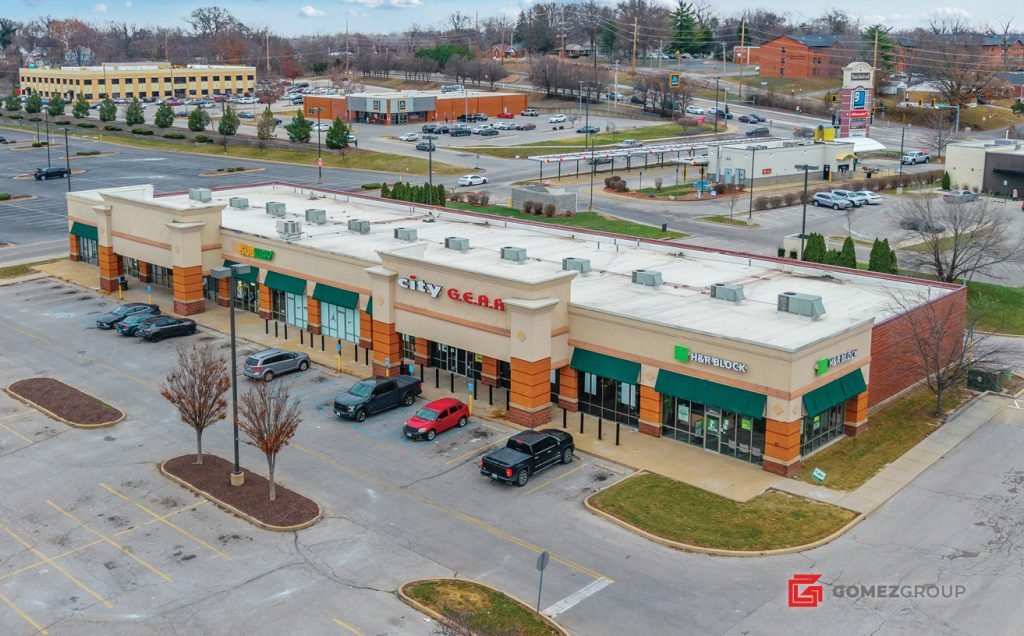
"We reviewed a retail strip where the owner agreed to a flat CAM fee for ten years. Maintenance costs doubled over the hold period. The owner paid the difference out of pocket. We had to price the asset 15% below market value because the net income dropped so severely." – Gomez Group Broker
Red Flag 2: Weak Relocation Clauses
Retail owners need operational flexibility. A major national brand might want to expand into an adjacent space. If the smaller tenant next door refuses to move, the expansion dies. You lose a high-credit anchor.
A strong contract includes a landlord relocation right. This clause forces the tenant to move to a comparable space within the same center upon your request. Landlords usually pay the moving costs. This flexibility is critical for maximizing the value of Grocery Anchored Shopping Centers. Without it, one small tenant holds the entire property hostage. Buyers demand this flexibility.
Red Flag 3: Vague Insurance Exclusions
Property insurance premiums spiked significantly over the last three years. Owners must pass these costs through to the tenants.
Poorly drafted documents exclude certain types of insurance increases. If the agreement fails to explicitly define required coverages, the landlord absorbs the premium hike. A thorough review ensures your tenants pay their pro-rata share of all modern insurance requirements. Review the Triple Net Lease Tax Consequences and your insurance liabilities long before you list the asset for sale.

Red Flag 4: Missing Sales Reporting
Retail valuations depend heavily on tenant health. You need to know if a store is profitable.
A strong agreement requires the tenant to report their gross sales annually. This is mandatory for percentage rent clauses. It also provides critical underwriting data for the landlord. High store sales justify higher base rents upon renewal. Missing sales data makes the asset harder to sell. Institutional buyers want absolute proof the tenants run successful operations. See our analysis on Trends in Retail Spaces: What Businesses Need to Know for more information on measuring tenant performance.
Red Flag 5: Go-Dark Rights Without Recapture
A corporate tenant decides to close a specific location. They continue paying rent until the term expires. This is a "Go-Dark" scenario.
You receive the rent check, but the empty storefront kills foot traffic for the rest of the center. Other tenants suffer. The overall property loses appeal. You must secure a "Recapture Right." This clause lets you terminate the agreement and take the space back if the tenant ceases operations for a specific number of days. You regain control of the real estate. This is vital when leasing space to national Quick Service Restaurants.
📋 The Exit Strategy Document Review
Sloppy Exclusive Use Clauses
Tenants demand protection from direct competitors. A coffee shop wants an exclusive right to sell coffee.
Sloppy drafting creates massive legal liability. If you grant a general "beverage exclusive" to one tenant, you legally block yourself from leasing space to a juice bar or a bubble tea shop. You must write exclusive use clauses with extreme precision. Broad exclusions cripple your ability to fill vacant spaces. A buyer will demand a steep price discount if the center has overlapping or poorly defined exclusive rights. Buyers scrutinize these restrictions heavily.
Premature Personal Guarantees
Small business operators sign personal guarantees. This puts their personal assets on the line if the business fails.
Tenants negotiate "burn-off" clauses to release the guarantee after a few years of on-time payments. If the guarantee burns off too early, the landlord is left with a weak corporate shell on the hook for the rent. You must track these expiration dates. An upcoming burn-off reduces the credit quality of the income stream in the eyes of an investor. Lower credit quality equals a lower purchase price.
How to Fix a Bad Contract Before Selling
You found errors during your review. You must take action to correct them before going to market.
The "Blend and Extend" Strategy
You approach the tenant before their expiration date. You offer to extend their term for an additional five or ten years. In exchange for this long-term security, you require them to sign a modernized, updated lease document.
This process eliminates the bad clauses. It removes the CAM caps. It adds the missing sales reporting requirements. You stabilize the asset. You create a clean, marketable property. Buyers pay a premium for long-term, clean paper.
Common Questions
What is a commercial lease audit?
It is a comprehensive review of all tenant contracts within a commercial property. The goal is to identify financial leaks, legal liabilities, and restrictive clauses reducing the asset's overall market value.
Who should perform the document review?
Owners should hire experienced commercial real estate attorneys and investment brokers. Brokers understand how specific clauses impact the capitalization rate. Attorneys ensure full legal compliance.
When is the best time to review tenant contracts?
You must review all contracts 12 to 18 months before listing a property for sale. This provides enough time to restructure agreements during tenant renewals. Do not wait until a buyer uncovers the problems during their own inspections.
Does a bad lease affect property value?
Yes. Buyers apply higher capitalization rates to properties with weak tenant contracts. A higher capitalization rate results in a lower purchase price for the seller.
Protect Your Real Estate Equity
Your contracts define your wealth. Sloppy paperwork steals your equity. Rigorous underwriting protects your capital. You must fix these seven errors to command top dollar in the open market.
At Gomez Group, we maximize asset value before the sale. We specialize in Investment Sales: Value in Commercial Real Estate. We audit rent rolls to identify hidden risks and value-add opportunities for our clients. If you plan on Selling Your Commercial Real Estate Property, we provide the data-driven advisory services you need to secure the highest possible price.
To discuss your portfolio or request a detailed valuation, contact our team today.