
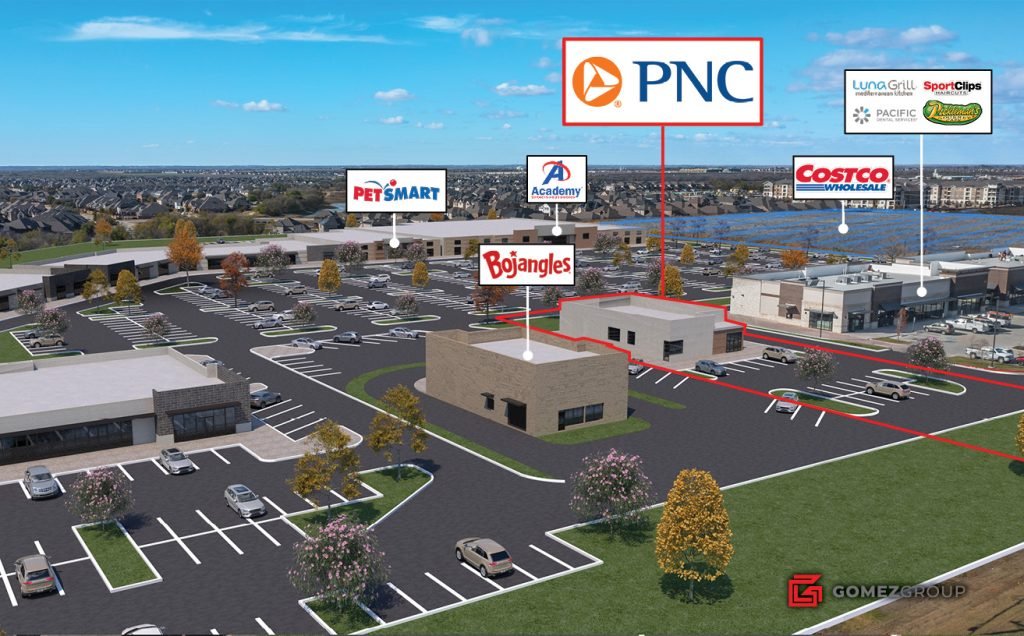
Yes, buying a PNC Bank investment property is usually a smart move if you want steady income, strong corporate backing, and zero landlord hassles. These properties offer great protection for your money and reliable cash flow, even when the economy gets bumpy.
If you want to protect your wealth while earning monthly rent, real estate backed by major banks is hard to beat. Bank branches sit on prime corner lots with high visibility and heavy drive-by traffic.
That said, success comes down to checking the lease type, branch deposit health,
and local real estate value before signing on the dotted line.
Corporate Credit & Safety
When looking at bank branch real estate, tenant strength is the first thing to check. A bank’s financial health determines how safe your rental income will be over a multi-year lease.
Key Tenant Strengths:
- Solid Credit Backing: Backed by an investment-grade rating from Standard & Poor’s, giving buyers peace of mind.
- National Presence: Thousands of active branches operate in top growth areas across the country.
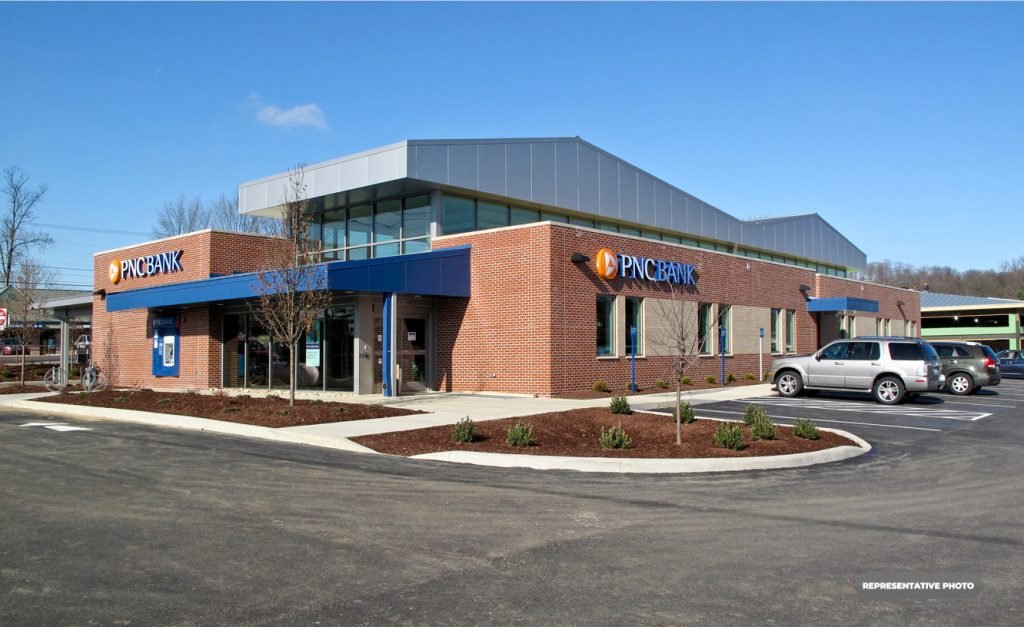
- Prime Real Estate: Sites feature dedicated drive-thru lanes positioned on busy, high-visibility street corners.
- Low Default Risk: Large corporate financial backing means rent gets paid on time, every time.
Because major banks operate with huge financial reserves, tenant default risk is far lower than with typical retail tenants.
Comparing Property Lease Types
How a bank property is leased decides your yearly returns and tax benefits. Most branches use either a fee-simple lease or an absolute ground lease.
When reviewing a PNC Bank commercial real estate asset, you will usually compare two main setup options:
| Key Feature | Absolute Net Ground Lease | Fee Simple Net Lease |
| Land Ownership | You own the land beneath the building | You own both the land and the building |
| Maintenance Duties | Zero landlord work or upkeep | Very low structure oversight |
| Tax Write-Offs | Land value only | Full building tax depreciation advantages |
| Risk Profile | Lowest risk possible | Low risk backed by corporate guarantee |
Buyers looking for single-tenant investment properties usually prefer ground leases for completely hands-off income. In a ground lease, the bank owns the building and handles all maintenance while paying you rent for the dirt underneath.
Additionally, these single tenant net lease properties include regular rent increases that protect your monthly payout against rising inflation over time.
Real Benefits vs. Industry Risks
While bank leases offer exceptional safety, changing banking habits mean you should weigh the perks against potential long-term risks.
| Investment Benefits | Things to Watch Out For |
| Investment-grade corporate safety | Banks closing smaller nearby branches |
| Completely passive, hassle-free rent | More people using online banking apps |
| Built-in rent increases over time | High competition to buy top corner sites |
| High land value on busy street corners | Finding a new tenant if the bank ever leaves |
Even with digital banking growth, bank branch real estate investments remain vital locations for local businesses to drop off cash, get loans, and manage investments.
To pick a winner, target branches with strong local cash deposits. Locations with high deposits make good money for the bank and rarely close down.
How to Find Great Net Lease Properties?
Finding the best deals requires good timing and clear property research.
[Pick Target Area] ➔ [Check Branch Deposits] ➔ [Verify Corporate Lease] ➔ [Close the Deal]
Simple Sourcing Steps
- Look Beyond Public Listings: Premium net lease properties for sale often sell off-market quietly before hitting public websites.
- Check the Guarantee: Make sure the lease is backed directly by the parent company rather than a smaller regional branch.
- Work with Local Experts: Teaming up with commercial real estate investment sales specialists helps you find underpriced properties in growing towns.
At Gomez Group, our advisory team helps investors locate, evaluate, and buy top-quality bank properties that fit their financial goals.
Tax Breaks & Wealth Building
Lenders love corporate bank leases, which makes getting a loan easier and more affordable.
| Step | Action | Description |
| 1 | Sell Current Property | Relinquish your existing high-maintenance or appreciated commercial asset. |
| 2 | Pick Replacement Bank Property | Identify a high-performing PNC Bank or net lease asset within the required timeframe. |
| 3 | Get Loan Approval | Finalize financing terms backed by the bank’s corporate credit guarantee. |
| 4 | Complete Purchase | Close on the replacement property to complete the tax-deferred 1031 exchange. |
Investors often buy net lease bank sites during a tax-deferred exchange. Swapping a high-maintenance rental property for a corporate bank site lets you defer capital gains taxes while ditching daily landlord duties.
Banks view these properties as safe collateral, making it easier to lock in favorable loan terms that match your lease length.
What Happens If a Bank Vacates?
If a bank ever decides to close a location when the lease ends, prime corner land holds its value very well.
┌──> Fast-Food Restaurants with Drive-Thrus
│
[Vacated Corner Property] ┼──> Urgent Care & Medical Clinics
│
└──> Coffee Shops & Specialty Stores
Thanks to traffic lights, great visibility, and existing drive-thru lanes, former bank sites are easy to re-rent to fast-food chains, coffee shops, or urgent care clinics without starting from scratch.
Quick Buyer Checklist
Ready to add a stable bank asset to your portfolio? Use this checklist before making an offer:
- Check Deposit Growth: Confirm local branch deposits have grown steadily over the last few years.
- Review Traffic Numbers: Make sure the site sits on a busy road with plenty of daily cars passing by.
- Verify Rent Bumps: Double-check that regular rent increases are written into the lease agreement.
- Order Environmental Checks: Get a clean site inspection report to avoid surprise property issues.
Following these simple steps ensures your PNC Bank investment property delivers reliable, stress-free income for many years to come.
Our team at Gomez Group is here to help you through every step of picking, analyzing, and purchasing your next commercial property.
Frequently Asked Questions:
Q1. What kind of lease does a PNC Bank location usually have?
PNC Bank locations usually use triple net (NNN) or ground leases. The bank pays for property taxes, insurance, and routine repairs, leaving you with zero daily management tasks.
Q2. What is the main difference between a ground lease and a fee-simple lease?
In a ground lease, you own only the land while the bank owns the building. In a fee-simple lease, you own both the land and the building, which lets you claim extra tax depreciation write-offs.
Q3. Are bank branch properties completely passive?
Yes. Because the bank takes care of repairs, maintenance, taxes, and insurance, you simply collect the monthly rent check without worrying about tenant calls.
Q4. How can I tell if a bank branch is doing well?
You can look up a branch’s public deposit records on government websites. Branches with large or growing deposit numbers are profitable for the bank and much less likely to close.
Q5. How does Gomez Group help buyers acquire bank branch properties?
Gomez Group helps buyers find off-market properties, analyze lease details, review branch profitability, and complete smooth 1031 tax exchanges.